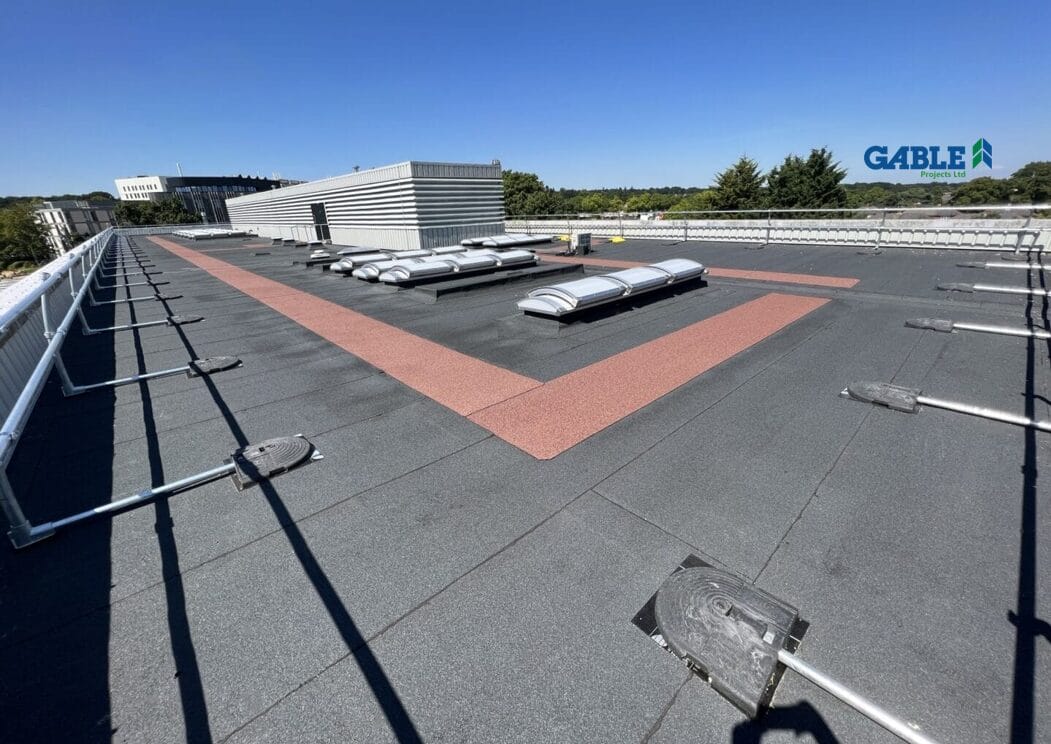
As we move into the busiest period of the construction calendar, one thing becomes increasingly clear: successful commercial roofing and cladding projects begin long before the first material is lifted onto a roof.
For large commercial roofing and cladding contractors, the summer months present huge opportunities but also significant challenges. Warmer weather, longer daylight hours and school holidays create the ideal conditions for carrying out major roofing and façade works. However, they also bring increased demand, tighter programmes and greater pressure to deliver multiple projects simultaneously.
In today’s construction industry, effective planning isn’t just good practice, it’s a competitive advantage.
Summer Is Peak Season for Commercial Roofing
Every year, roofing and cladding contractors experience a sharp increase in workload throughout the summer. Many clients schedule projects specifically during this period to minimise disruption to their operations.
Schools are perhaps the most obvious example. With only six weeks to complete roof replacements, cladding upgrades or refurbishment works before pupils return, there is little room for delays.
Whilst this work often extends past the 6 week holiday period, similar pressures exist across universities, healthcare facilities, retail developments and commercial premises where programmes are dictated by operational requirements.
Missing a completion date can have serious consequences, not only financially, but also for client relationships and future opportunities.
The Importance of Early Project Planning
Planning begins well before operatives arrive on site.
Successful contractors invest significant time in reviewing project specifications, coordinating suppliers, confirming material lead times, allocating labour resources and identifying potential risks before work commences.
Questions that should be answered early include:
• Are materials ordered and scheduled for delivery?
• Are access requirements fully understood?
• Have scaffold and lifting operations been coordinated?
• Are subcontractors available when needed?
• Have weather contingencies been considered?
• Does the programme allow sufficient flexibility if unexpected issues arise?
The more thoroughly these questions are addressed, the smoother the project delivery becomes.
Managing Multiple Projects Without Compromising Quality
One of the biggest challenges for larger roofing and cladding contractors is balancing numerous live projects at the same time.
It’s not unusual for businesses to have dozens of sites operating simultaneously during the summer months. Without robust planning systems, even small scheduling conflicts can quickly escalate into costly delays.
Effective resource management allows contractors to:
• Allocate experienced teams where they are needed most.
• Ensure materials arrive on time.
• Maintain consistent quality across every project.
• Improve communication between office staff, site managers and clients.
• Reduce downtime and increase productivity.
Ultimately, careful planning protects both profitability and reputation.
Schools Demand Precision
School roofing projects are among the most programme-sensitive contracts in the construction industry. The deadline isn’t flexible.
Whether replacing roof coverings, installing cladding or carrying out remedial works, contractors often have just a few weeks to utilise the void period of full occupation before staff and students return. Every day counts.
This makes early planning essential, not only for procurement and labour allocation, but also for health and safety planning, traffic management, safeguarding requirements and contingency arrangements should unforeseen issues arise once existing roof systems are removed.
The contractors who consistently deliver school projects successfully are rarely the ones working the fastest, they’re the ones who planned the best.
Communication Is Part of Planning
Planning doesn’t stop once work begins.
Regular communication between project managers, site supervisors, suppliers and clients ensures everyone understands progress, potential risks and programme updates.
Daily site briefings, accurate reporting and proactive problem-solving help identify issues before they become delays. Clients value transparency just as much as delivery.
When expectations are managed properly, trust grows and so does the likelihood of repeat business.
Planning Helps Protect Margins
Construction margins remain under pressure due to rising labour costs, fluctuating material prices and increasing client expectations.
Poor planning often leads to:
• Additional labour costs
• Material wastage
• Plant standing idle
• Programme overruns
• Liquidated damages
• Reduced profitability
Conversely, well-planned projects improve efficiency, reduce unnecessary expenditure and allow contractors to complete more work with the same resources.
Good planning isn’t simply about organisation, it’s about protecting the financial health of every project.
Building Success Through Preparation
As workloads increase over the coming months, the companies that stand out won’t necessarily be the biggest or the busiest.
They’ll be the contractors who consistently deliver projects safely, on time and to the highest quality.
Behind every successful commercial roofing or cladding installation is a well-developed programme, effective communication and meticulous preparation.
In an industry where deadlines are fixed and expectations continue to rise, planning remains one of the most valuable investments any commercial roofing and cladding contractor can make.
This summer, success won’t be determined by how quickly work starts but by how well it’s planned from the very beginning.