When building owners hear the word asbestos, the immediate assumption is often that the roof must be removed as soon as possible. However, in many commercial and industrial roofing projects, complete asbestos roof removal is not always the most practical, cost-effective, or safest option.
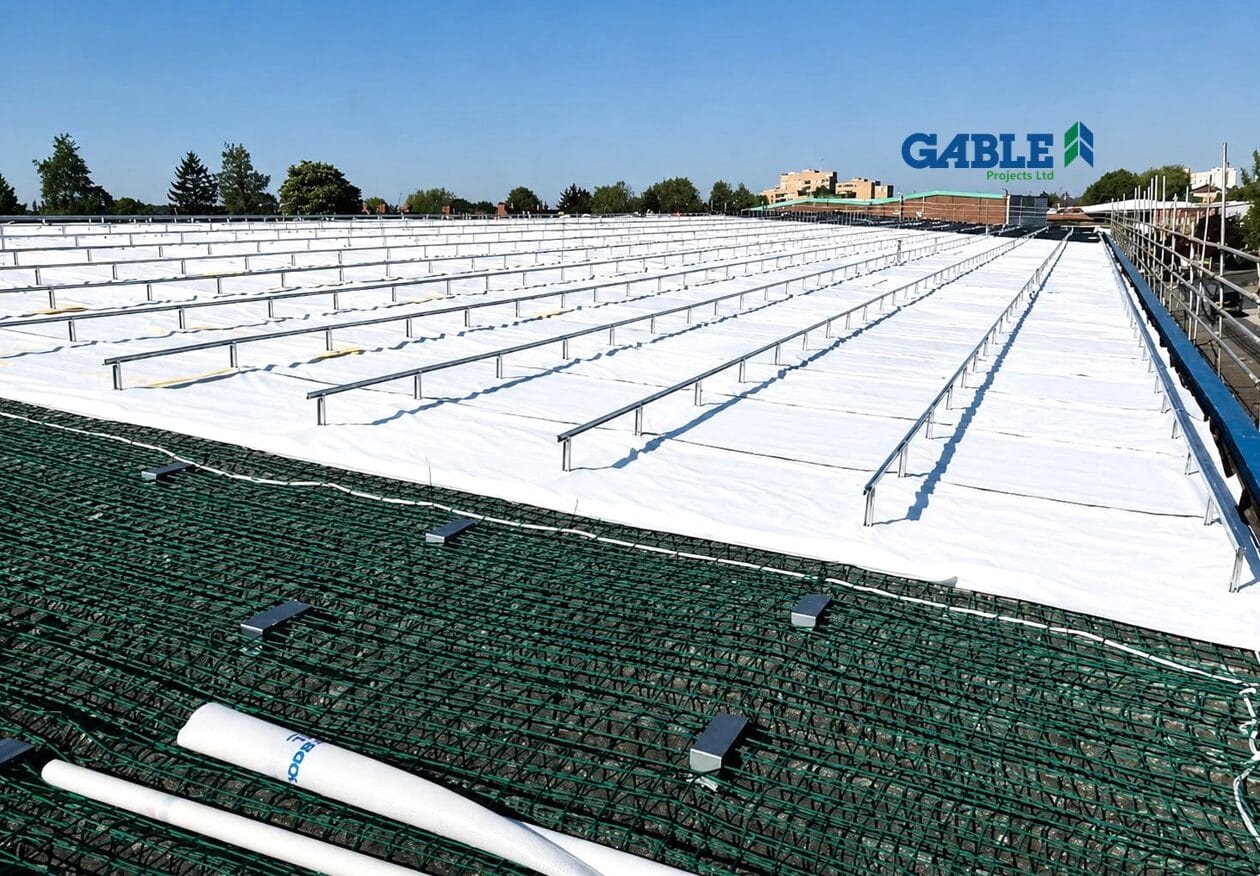
Provided the existing asbestos cement roof is in a suitable condition and a thorough survey has been completed, overcladding or sheeting over the existing roof can offer a range of significant benefits. This approach has become an increasingly popular solution for warehouses, factories, agricultural buildings, and industrial units looking to improve their roofing without the disruption of a full replacement.
A More Cost-Effective Roofing Solution
One of the biggest advantages of overcladding an asbestos roof is the substantial cost saving.
Removing asbestos cement roofing is a specialist process that requires licensed contractors (where applicable), strict health and safety procedures, waste disposal charges, and additional labour. These costs can quickly make a roof replacement project significantly more expensive.
By leaving the existing asbestos roof in place and installing a new steel roof system over the top, businesses can avoid many of these removal costs while still achieving a modern, durable roofing solution. The savings can often be redirected into upgrading insulation, rooflights, or other improvements that increase the building’s energy efficiency.
The Existing Roof Becomes an Additional Waterproof Layer
Many people don’t realise that the original asbestos cement roof can continue to provide value after the new roof has been installed.
Rather than becoming redundant, the existing roof effectively acts as a secondary weatherproof barrier beneath the new roofing sheets. This creates an additional layer of protection against wind-driven rain or any unlikely future water ingress.
Combined with a professionally installed over-roof system, this dual-layer approach provides increased resilience and peace of mind for building owners.
Keep Your Business Operating During Installation
For many businesses, downtime is often more costly than the roofing project itself.
One of the greatest advantages of asbestos roof overcladding is that the building can usually remain operational throughout the installation process. Because the original roof remains in place, the internal environment is protected while the new support framework and roof sheets are installed externally.
This means manufacturers can continue producing, warehouses can continue storing goods, and staff can continue working with minimal disruption.
Avoiding lengthy shutdowns is particularly valuable for businesses operating tight production schedules or those that simply cannot afford to close their premises.
Improved Thermal Performance
Many older asbestos cement roofs offer little or no insulation.
An overcladding system provides the opportunity to install modern insulation between the existing roof and the new outer sheets. This can dramatically improve the building’s thermal performance, helping reduce heating costs during winter while creating a more comfortable working environment throughout the year.
Improved insulation can also contribute towards reducing energy consumption and supporting sustainability objectives.
Reduced Health Risks During the Project
Asbestos only becomes a significant health risk when fibres are released into the air through damage or disturbance.
Where the existing asbestos cement roof remains in good condition, leaving it undisturbed beneath a new roof system can minimise the handling and potential release of fibres compared with a full strip and replacement.
Every project should be assessed individually, and all work must comply with current asbestos regulations and be carried out by competent roofing professionals following appropriate health and safety procedures.
Is Overcladding Right for Every Building?
Not every asbestos roof is suitable for overcladding.A detailed structural assessment should always be carried out to ensure the building can safely support the additional weight of the roof system. The condition of the existing asbestos sheets, the roof structure, loading capacity, and the intended lifespan of the building all need to be considered before deciding on the most appropriate solution.
An experienced commercial roofing contractor will be able to advise whether overcladding or full asbestos roof replacement represents the best long-term investment.
Final Thoughts
While asbestos roof removal is sometimes necessary, it isn’t always the only, or even the best solution.
For many commercial and industrial buildings, overcladding an existing asbestos roof delivers significant cost savings, creates an additional waterproof barrier, improves insulation, and allows businesses to continue operating throughout the installation process with minimal disruption.
Every building is different, but when conditions are suitable, leaving the existing asbestos roof in place and installing a modern roofing system over the top can provide an efficient, economical, and highly effective long-term roofing solution.
If you’re considering refurbishing an asbestos cement roof, speak to an experienced commercial roofing specialist who can assess your building and recommend the most appropriate solution for your operational needs and budget.