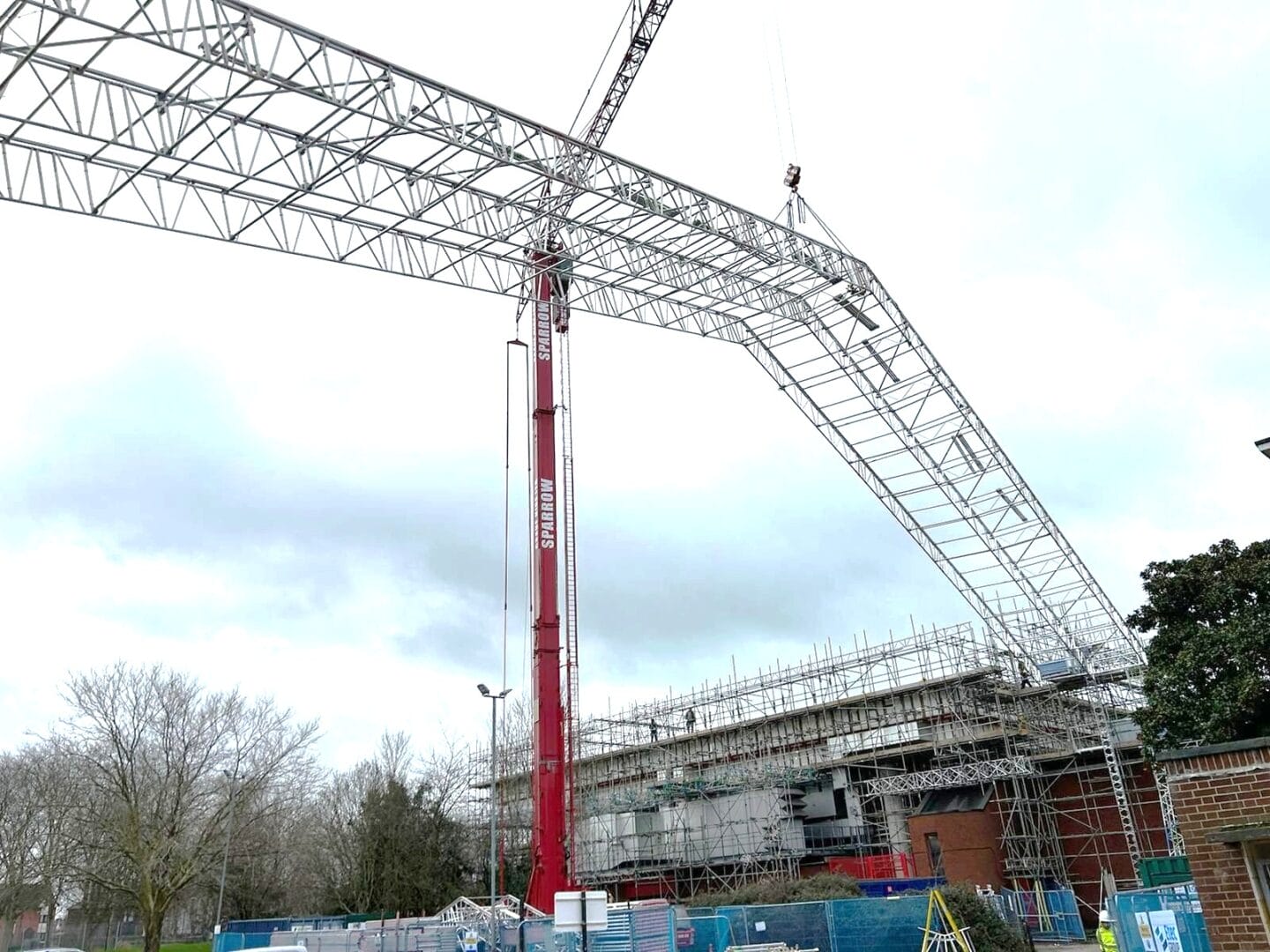
Replacing a roof is a major undertaking, but doing so while the building remains in use—often referred to as working on a “live” building—adds a whole new level of complexity. In the UK, where strict health and safety regulations meet a diverse range of building types and unpredictable weather, careful planning and expert execution are non-negotiable.
Whether it’s a school, hospital, leisure centre, train station, residential block, or commercial facility, live roof replacement requires a blend of strategic foresight, specialist knowledge, and constant communication. Here’s what makes it so intricate—and how GABLE PROJECTS navigate these challenges.
What Does “Live Building” Mean?
A “live building” is any structure that remains operational or occupied during the course of construction works. That means people are still living, working, learning, or receiving care inside while major external works—like roof replacement—are ongoing.
Key Challenges (and How They’re Managed)
1. Health & Safety Comes First
The top priority is protecting building occupants, workers, and visitors. In the UK, this is governed by:
• The Construction (Design and Management) Regulations 2015 (CDM)
• The Health and Safety at Work Act 1974
Risk assessments, method statements, and a construction phase plan must all be in place before work begins. Strict exclusion zones, scaffolding, fall protection, and controlled access routes are essential.
2. Maintaining Business or Daily Operations
Operations must continue with as little disruption as possible. This could mean:
• Installing temporary roofing or weatherproofing while old materials are removed and the building is left exposed.
• Coordinating deliveries and works to avoid busy times (e.g. school drop-offs or hospital shift changes), depending on the building use
• Where necessary, using quieter tools or phasing out loud works during sensitive hours
A detailed phasing plan is crucial, often accompanied by temporary signage, access changes, or internal communications to keep everyone informed.
3. Noise, Dust, and Vibration Control
Construction is inherently disruptive and often mess is avoidable, but steps must be taken to reduce impact:
• Dust suppression techniques (e.g. wet cutting, sealed sheeting)
• Acoustic barriers or insulated hoardings
• Monitoring and limiting vibration for sensitive equipment or older buildings
On heritage or listed buildings, vibration must be carefully controlled to avoid damaging fragile internal features.
4. Access and Egress Management
Working at height means scaffolding, cranes, or mobile platforms, often in tight urban areas. For live buildings, it’s vital that:
• Fire exits remain unobstructed
• Emergency access for ambulances or services is always clear
• Alternative routes are clearly signposted and compliant
5. Weatherproofing and Temporary Protection
The UK’s famously unpredictable weather makes temporary waterproofing essential during roof replacement. This may involve:
• Shrink-wrapped scaffolding
• Temporary membranes or coverings
• Rapid installation of underlays before full coverings are fitted
This protects not just the building’s structure, but also the ongoing activities inside.
6. Communication is Key
Weekly briefings with site teams, regular updates to occupants, and even tenant liaison officers are often used to keep everyone informed. This avoids surprises, reduces complaints, and builds trust. Notices about noise, power shutoffs, or access changes should be shared well in advance—especially in hospitals, schools, or residential buildings.
Best Practices for Success
• Pre-construction surveys and consultations
• Appointing a Principal Contractor and Principal Designer (as per CDM 2015)
• Constant monitoring and review throughout the project
• Employing experienced contractors with live environment expertise
Conclusion
Construction works, especially replacing a roof, on a live building is not a simple task—but with the right planning, communication, and technical know-how, it’s entirely achievable. It’s a balancing act between progress and protection, disruption and continuity. If you’re managing a live site and considering roof replacement, make sure you’re working with a contractor who understands these challenges inside and out. Safety, quality, and careful coordination aren’t just extras—they’re Gable Projects foundations of a successful live project.