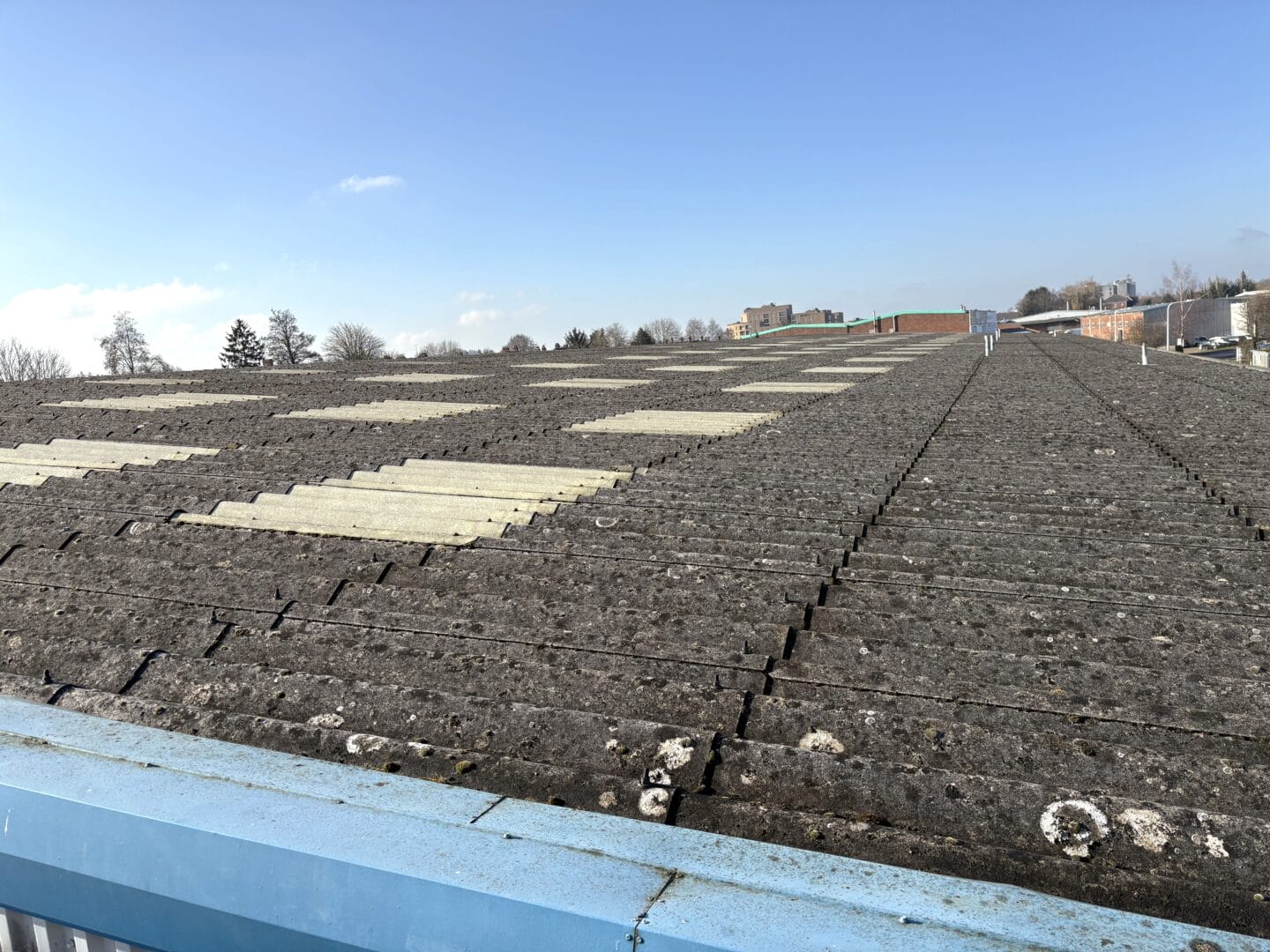
Many commercial buildings across the UK still have asbestos cement roofing, particularly those constructed before the late 1990s. While asbestos was once valued for its strength and fire resistance, it is now recognised as a serious health hazard. Business owners and property managers must handle asbestos roof refurbishment with extreme care, both to stay legally compliant and to ensure the safety of occupants and contractors.
This article explores the main issues and considerations when overlaying or replacing an asbestos roof on a commercial unit in the UK, and what materials are typically used as replacements.
1. Understanding the Risks of Asbestos Roofing
Asbestos becomes dangerous when the material is disturbed, releasing microscopic fibres into the air. These fibres can cause severe respiratory illnesses such as asbestosis, mesothelioma, and lung cancer.
Asbestos cement roofs are generally considered low risk when intact and undamaged. However, ageing materials, cracks, leaks, or planned refurbishment work can all disturb the asbestos, making it essential to handle the process under strict Health and Safety Executive (HSE) regulations.
If you are considering overlaying or replacing an asbestos roof, a professional asbestos survey is the first step. This determines the condition of the material and whether removal or encapsulation (overlaying) is the safer and more cost-effective solution.
2. Legal and Safety Considerations
Working with asbestos in the UK is governed by the Control of Asbestos Regulations 2012. This means that only trained and licensed contractors should handle or remove asbestos materials.
Before any roofing work begins, you’ll need:
• A Refurbishment and Demolition (R&D) Asbestos Survey carried out by a qualified specialist.
• A Risk Assessment and Plan of Work, detailing how asbestos will be managed safely.
• Proper disposal arrangements, as asbestos waste must be sealed, labelled, and taken to an approved facility.
Failure to comply with these legal requirements can lead to prosecution, heavy fines, and serious health implications for workers and occupants.
3. Overlaying vs. Full Roof Replacement
Overlaying an Asbestos Roof
Overlaying involves installing a new roof system directly over the existing asbestos sheets, effectively sealing the asbestos in place. This method is often less disruptive, more affordable, and avoids the risks associated with asbestos removal.
Key benefits include:
• Reduced downtime – businesses can often continue operations during the project.
• Lower cost – no asbestos disposal or removal fees.
• Improved insulation and weatherproofing with modern materials.
However, overlaying is only suitable if the existing roof is structurally sound, able to take the extra load and the asbestos is stable. A thorough inspection by a qualified roofing contractor is essential before proceeding.
Replacing an Asbestos Roof
Where possible removing the material is preferred. Full replacement may be necessary if the roof is deteriorated, leaking extensively, or posing a high health risk. This process involves the safe removal and disposal of asbestos materials before installing a completely new roofing system. While this option carries a higher upfront cost, it eliminates future asbestos-related risks and often delivers superior long-term performance and energy efficiency.
4. What You Would Usually Replace It With
When replacing an asbestos roof, UK commercial property owners typically choose modern, durable materials designed for longevity, insulation, and sustainability.
Common replacement options include:
Steel Profiled Sheets:
A popular choice for industrial and agricultural buildings, steel sheets provide exceptional durability and are available with anti-corrosion coatings. They can mimic the appearance of old asbestos cement sheets while offering far better performance.• Composite
Roof Panels (Insulated Panels):
These panels combine metal outer sheets with an insulating foam core, delivering excellent thermal performance and fast installation. They are ideal for energy-efficient refurbishments and meet modern Building Regulation standards.
Fibre Cement Sheets (Non-Asbestos): Modern fibre cement products offer the same aesthetic as traditional asbestos sheets but are completely asbestos-free. They’re lightweight, weather-resistant, and easy to maintain.
Each option offers distinct benefits, and the right choice depends on the building’s use, budget, and desired energy efficiency levels.
5. Choosing the Right Contractor
Whether you choose overlaying or full replacement, it’s vital to work with a competent roofing contractor experienced in asbestos management. They should hold the necessary asbestos awareness certifications and comply with HSE guidelines throughout the process.
A reputable contractor will manage every stage, from surveys and risk assessments to installation and waste disposal, ensuring the project is completed safely, on time, and in compliance with UK regulations.
Conclusion
Overlaying or replacing an asbestos roof on a commercial unit in the UK requires careful planning, strict adherence to safety laws, and professional expertise. While overlaying can be a practical, low-disruption solution, full replacement offers long-term peace of mind and improved performance.
Modern materials such as steel profiled sheets or composite panels ensure that your building remains safe, efficient, and compliant for decades to come.
Investing in the right asbestos roof solution today protects your property, your workforce, and your business reputation for the future.