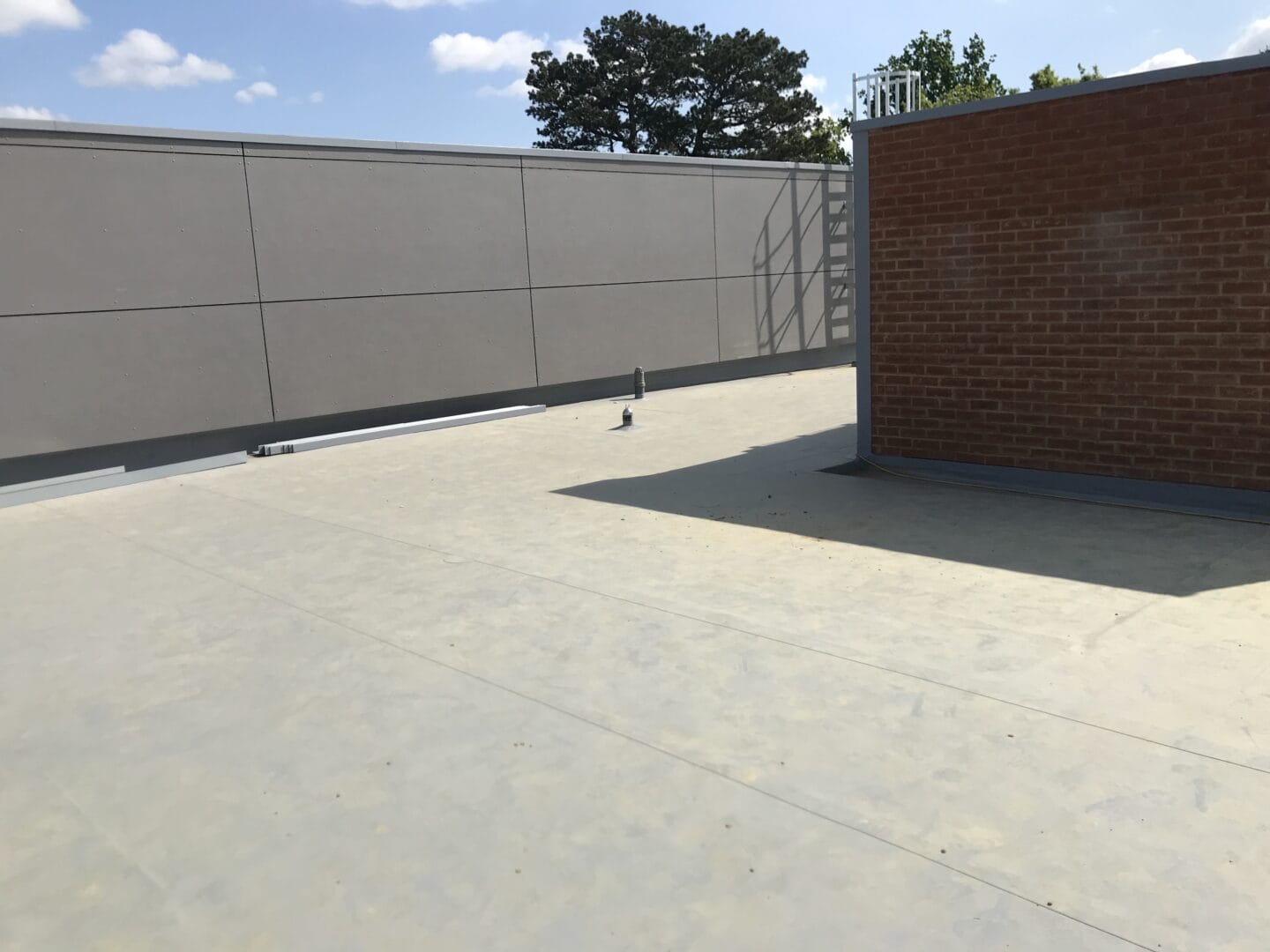
When it comes to selecting the right roofing system for a commercial property, building owners and facility managers face a wide range of options. However, single ply roofing has quickly become a most popular choice in the commercial roofing industry and for good reason. It offers a balance of durability, energy efficiency, cost-effectiveness, and ease of installation that makes it ideal for a wide variety of applications.
What Is Single Ply Roofing?
Single ply roofing refers to a category of flexible, synthetic membranes that are applied in a single layer to a flat or low-slope roof. These membranes are manufactured in a factory setting, ensuring consistent quality and performance. The most common types of single ply membranes are:
• TPO (Thermoplastic Polyolefin)
• PVC (Polyvinyl Chloride)
• EPDM (Ethylene Propylene Diene Monomer)
Each of these materials has its own benefits, but they all share key advantages that make them well-suited for commercial applications.
Key Benefits of Single Ply Roofing
1. Durability and Longevity
Single ply membranes are engineered to withstand extreme weather conditions, including UV exposure, heat, cold, and wind. When installed correctly by a professional roofing contractor, these systems can last 20 to 30 years or more, making them a long-term solution that requires minimal maintenance.
2. Energy Efficiency
Energy savings are a top priority for many commercial property owners. White or reflective TPO and PVC membranes can significantly reduce heat absorption by reflecting sunlight, which helps lower cooling costs in the summer. This can also contribute to LEED points and compliance with energy codes.
3. Lightweight Design
Single ply roofing systems are lighter than traditional built-up roofs or modified bitumen. This puts less stress on the building’s structure, which can be particularly beneficial for retrofits or older commercial buildings.
4. Fast and Clean Installation
Because single ply systems are manufactured in sheets and applied in a single layer, installation is generally quicker and cleaner than multi-layer roofing systems. This minimizes disruptions to business operations, a key consideration for commercial properties that remain active during roofing work.
5. Cost-Effective
From materials to labour, single ply roofs tend to be more affordable than traditional multi-layered systems. The reduced installation time and minimal maintenance needs, can translate into lower lifetime costs, making them a smart financial choice.
Choosing the Right Type of Single Ply
Not all single ply membranes are the same, so choosing the right one depends on your building’s specific needs:
• TPO is a popular choice for its balance of performance and price. It’s heat-weldable, energy-efficient, and highly resistant to tears and punctures.
• PVC is excellent for roofs exposed to chemicals, grease, or oils, making it ideal for restaurants or manufacturing facilities.
• EPDM is known for its flexibility and resistance to weathering, especially in colder climates. It’s often installed using adhesive or ballasted systems.
Is Single Ply Right for Your Roof?
Single ply roofing is best suited for flat or low-slope commercial or residential roofs. It’s widely used in a variety of sectors, including retail centres, office buildings, schools, hospitals, and industrial facilities. If your building has specific performance requirements, such as high chemical resistance, solar compatibility, or energy-saving mandates, single ply can often meet those needs with ease.
Conclusion
When investing in a new commercial roof or replacing an aging system, it’s essential to balance performance, longevity, and cost. Single ply roofing offers a proven, versatile solution that checks all the right boxes. Whether you’re planning new construction or looking to extend the life of an existing building, single ply is a roofing option worth serious consideration.
If you’re interested in learning more or getting a quote, contact us today, our team is here to help you find the best roofing solution for your business.