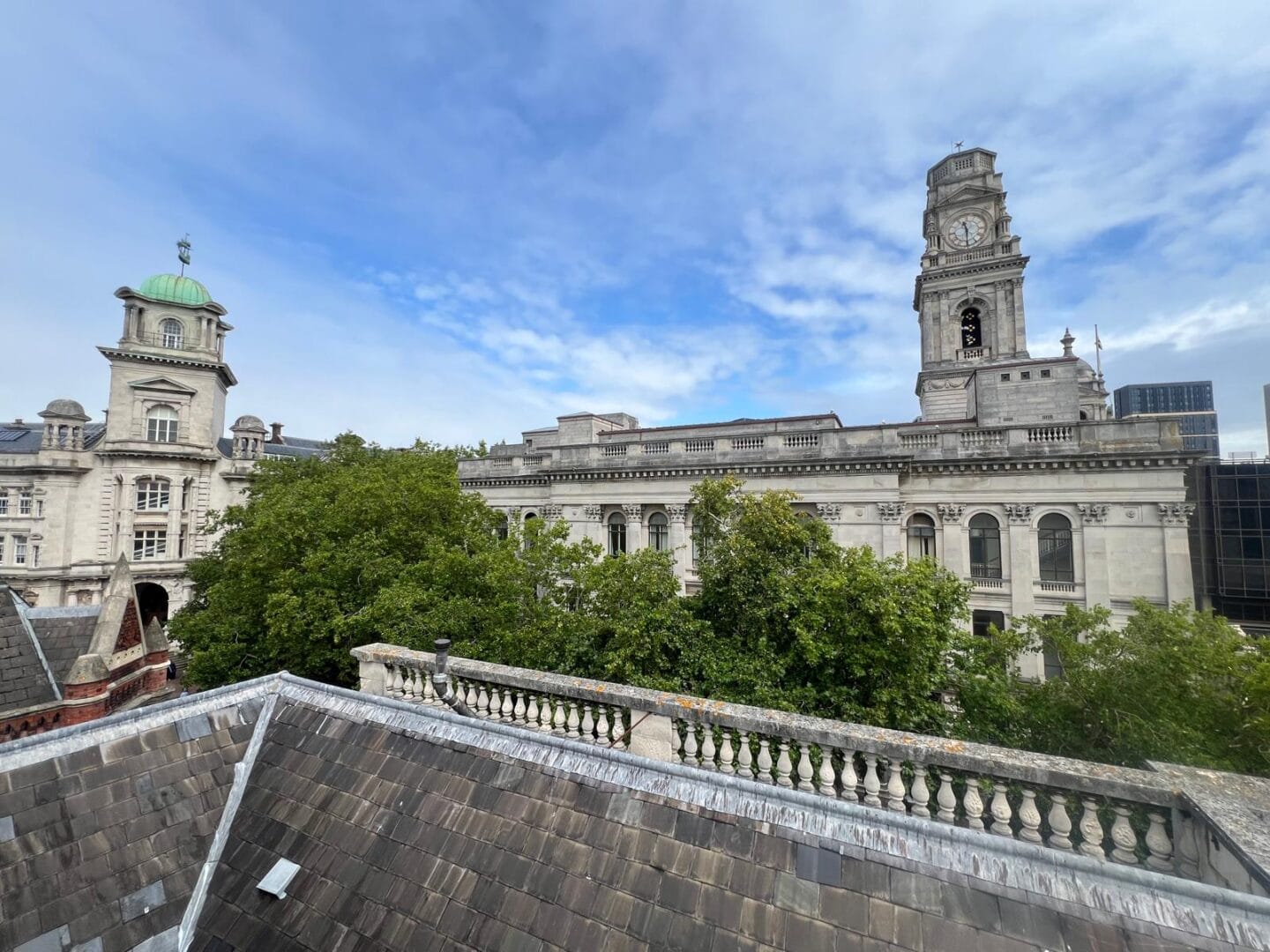
As our brief summer gives way and the UK moves into the cooler, wetter months, autumn presents the perfect opportunity for commercial property owners and facilities managers to prepare buildings for the challenges of winter. Among all areas of a commercial building, the roof is arguably the most critical component to inspect, maintain, and protect before the cold sets in.
Neglecting your roof can result in costly damage, disruption to operations, and even health and safety risks. Here’s why now, as we enter Autumn, is the best time to inspect and prepare your commercial roofing system and building envelope for winter in the UK.
1. Your Roof is the First Line of Defence Against Winter Weather
Commercial roofs endure a harsh mix of rain, wind, freezing temperatures and even snow, during winter. Autumn is the last practical window to inspect and repair roofing systems before they are put to the test. Key winter threats include:
• Standing water and leaks due to poor drainage
• Wind uplift damage from missing or loose materials
• Freeze-thaw cycles causing cracks and membrane splits
• Snow load strain on flat roofing structures
A proactive autumn inspection helps identify and fix small issues now, before they become major (and expensive) problems later.
2. Autumn Weather Offers Ideal Conditions for Roof Work
While summer may seem like a good time for maintenance, roofing contractors are often at their busiest then. Autumn, however, offers milder temperatures, often making it more practical for roof inspections and repairs, especially on large-scale commercial properties. By addressing roofing needs in the autumn:
• You avoid dangerous icy or windy working conditions
• Materials like sealants and membranes cure more effectively
• Contractors tend to be more readily available during emergency winter callouts
3. Gutter and Drainage Maintenance is Crucial in Autumn
Blocked gutters, downpipes, and internal drainage systems are a leading cause of winter water damage in commercial buildings. Autumn leaves, moss, and debris can build up quickly and prevent proper water flow, especially in flat or low-slope commercial roofing. Before winter, ensure:
• All gutters and outlets are cleared of debris
• Drainage systems are free-flowing and not cracked or sagging
• Roof drains and scuppers are tested for proper function
Water pooling on commercial roofs can lead to structural degradation, leaks, and even collapse if snow and rain combine in winter. Proper autumn maintenance prevents these issues entirely.
4. Prevent Heat Loss and Improve Energy Efficiency
The roof plays a major role in your building’s thermal efficiency. Damaged or poorly insulated roofing systems can lead to significant heat loss, forcing your HVAC system to work harder and driving up winter energy costs. Autumn is the best time to:
• Inspect roof insulation for degradation or gaps
• Repair or replace compromised membranes or seals
• Address thermal bridging or condensation issues
An energy-efficient roof can drastically reduce heating bills over winter, making it a smart investment with a fast return.
5. Avoid Costly Emergency Repairs in Winter
Emergency roof repairs in winter are:
• More expensive due to high contractor demand
• Riskier due to hazardous working conditions
• Often temporary fixes due to weather limitations
By contrast, scheduled preventative maintenance in autumn is cost-effective and thorough. A professional roofing inspection can spot early signs of:
• Blistering or bubbling
• Flashing failure around vents or skylights
• Cracks in felt, membrane, or asphalt
• Signs of previous leaks or water ingress
Catching and fixing these problems now prevents disruption to your business operations when conditions are worst.
6. Boost Compliance and Protect Occupant Safety
A leaky roof doesn’t just damage property, it can pose serious health and safety risks. Damp ceilings, water-damaged electrical systems, and mould growth can all create unsafe working environments and even lead to legal or insurance issues. Ensuring your roof is watertight and structurally sound in autumn:
• Helps maintain building compliance
• Reduces liability risk
• Protects staff, tenants, or customers from harm
If you operate in regulated sectors like healthcare, education, or hospitality, this step is especially critical.
7. Extend the Lifespan of Your Roofing Investment
A well-maintained commercial roof can last 20–40 years or more depending on the material. But neglect, especially through repeated winters without inspection, can reduce that dramatically. Autumn is the time to:
• Establish a roofing maintenance schedule
• Keep warranty coverage valid through proper upkeep
• Protect the capital value of your property asset
By catching minor faults before they escalate, you’re actively extending the life of your roofing system and protecting your bottom line.
Final Thoughts
Autumn continues to be the perfect time to prepare your commercial building for winter and no part of your property deserves more attention than the roof. From preventing leaks and water damage to improving energy efficiency and occupant safety, a well-maintained roofing system is critical to winter readiness.
Don’t wait for winter to reveal hidden faults. Take action now, during autumn, to ensure your commercial roof is resilient, efficient, and fully prepared for the season ahead.