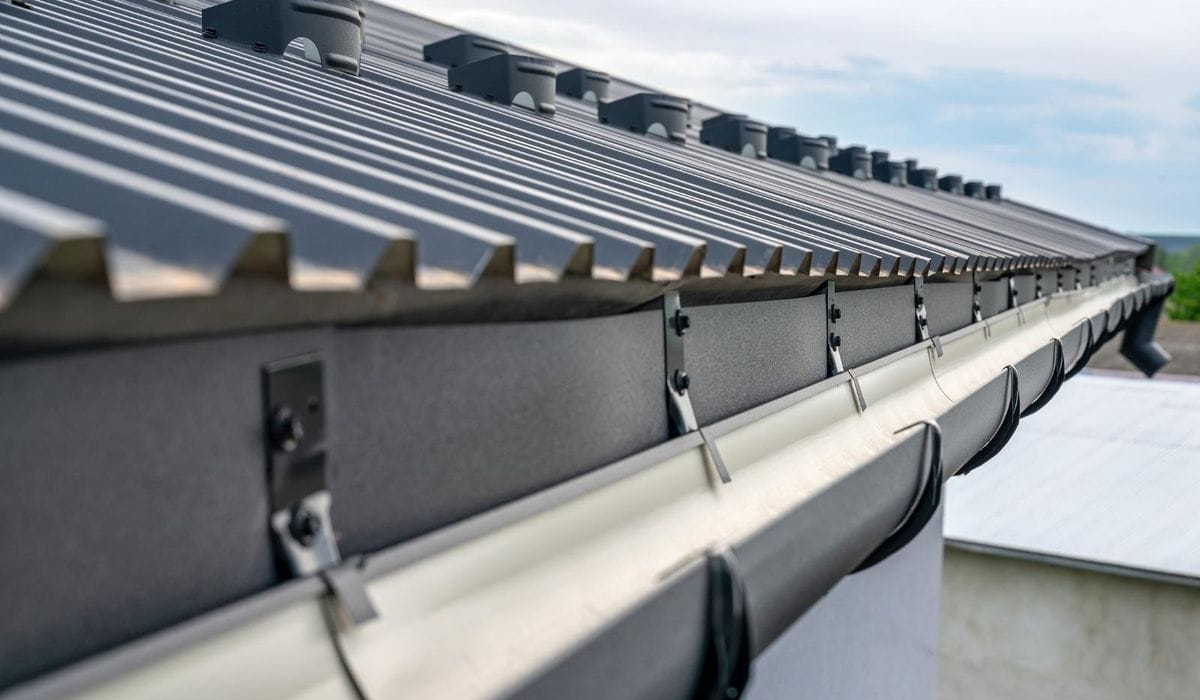
In an era of rising climate variations, efficient rainwater management is no longer a luxury, it’s a necessity. For businesses operating out of large commercial buildings, the roof is not just a structural necessity; it’s a critical component of the building’s environmental resilience, operational efficiency, and long-term sustainability – in and outside of the building.
Whether you’re a facility manager, property developer, or surveyor employed to deliver a roof replacement, understanding and prioritizing effective rainwater management on large commercial roofs can save your business significant costs and risks in the long run.
The Hidden Risks of Poor Rainwater Management
Commercial roofs, due to their expansive surface areas, are particularly vulnerable to water-related issues. A single storm can deposit thousands of litres of water, and without proper drainage or retention systems, that water can cause:
• Structural damage: Pooling water increases the load on roofing systems, accelerating wear and leading to leaks or even collapse in extreme cases.
• Membrane degradation: Constant exposure to standing water can deteriorate roofing membranes, shortening the lifespan of your roof.
• Mould and interior damage: Poor drainage can lead to leaks, which contribute to mould growth, damaged insulation, and interior deterioration. Both expensive problems that impact health and safety.
• Legal and compliance risks: Improper water runoff can lead to violations of environmental regulations or create hazards on surrounding public pathways.
Why Efficient Rainwater Management Matters
1. Protects Structural Integrity
Rainwater management systems, such as internal drains, scuppers, downspouts, and gutter systems are vital to directing water away from the roof safely and efficiently. By preventing ponding and excess weight, they help protect the structural integrity of the building and reduce the frequency of major repairs.
2. Reduces Operational Costs
Investing in a well-designed water management system reduces the need for reactive maintenance. Preventing damage is always more cost-effective than repairing it. It also minimises disruptions to business operations due to water-related damage.
3. Improves Sustainability Credentials
Many modern businesses are prioritizing environmental performance. Efficient rainwater management supports sustainability goals by:
• Harvesting rainwater for reuse in irrigation or flushing systems.
• Reducing stormwater runoff, which helps prevent local flooding and pollution of waterways.
• Supporting green certifications such as LEED or BREEAM.
This can enhance your corporate social responsibility (CSR) profile and appeal to eco-conscious stakeholders.
4. Enhances Safety and Compliance
Properly managed water drainage ensures that walkways, entrances, and parking areas are free of standing water, reducing slip hazards. It also helps businesses comply with local environmental and safety regulations, avoiding fines or legal liabilities.
5. Supports Climate Resilience
With more frequent and intense rainfall events, outdated or undersized drainage systems can quickly become overwhelmed. Modern rainwater management systems are designed to handle high-capacity flows, ensuring your building is future-proofed against extreme weather.
Key Strategies for Effective Rainwater Management
To maximize the benefits of rainwater control on large commercial roofs, consider implementing:
• Regular inspections and maintenance of gutters, downpipes, and roof membranes.
• Green roofs or vegetative systems that absorb rainfall and reduce runoff.
• Rainwater harvesting systems to capture and reuse rainwater on-site.
• Smart monitoring systems that use sensors to detect ponding or blockages early.
• Custom-engineered drainage plans tailored to your building’s location, slope, and roof type.
A Smart Investment, Not a Sunk Cost
Rainwater management is often overlooked during the design or retrofit phase of commercial roofing projects. However, it’s one of the most strategic investments a property owner or facilities manager can make.
From cost savings and compliance to resilience and sustainability, the benefits are broad and measurable. Businesses that take proactive steps today will avoid costly repairs tomorrow and contribute positively to both the environment and their bottom line.
Want to optimize your commercial roof for better water management? Let’s connect and discuss strategies tailored to your building and climate zone. Whether you’re planning a retrofit or new construction, efficient rainwater solutions should be part of your long-term strategy. Remember to read our other articles HERE!