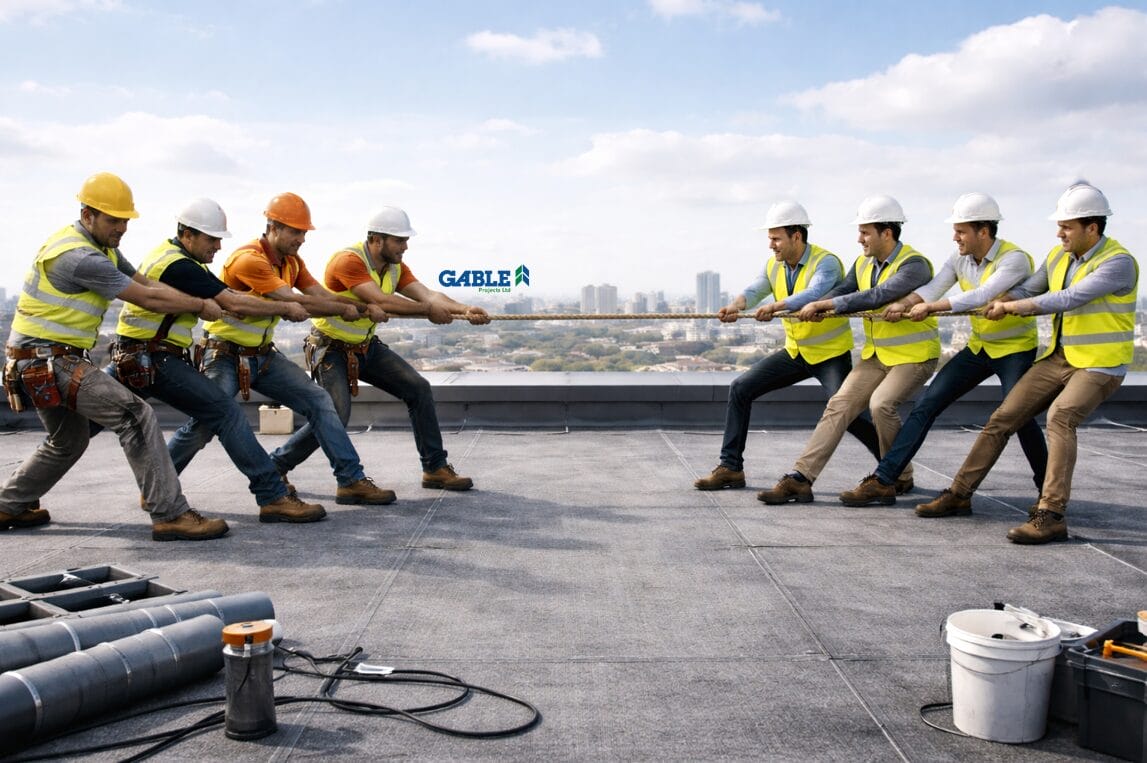
The construction industry in 2026 is navigating a dynamic landscape shaped by economic shifts, technological advancements, and evolving sustainability standards. For professionals in commercial roofing and cladding, understanding these forces isn’t just valuable, it’s essential for staying competitive, compliant, and profitable.
In this article, we break down the main factors influencing construction today and zoom in on what they mean for the commercial roofing and cladding market.
Economic Pressures: Balancing Costs with Demand
From material price volatility to labour shortages, economic pressures remain one of the biggest challenges in construction.
Material Costs & Supply Chain Disruption: Global supply chain issues, from fluctuating steel prices to transport delays, continue to affect procurement costs. Roofing and cladding materials like metal panels, insulation, and membranes are particularly sensitive to these fluctuations.
Inflation & Budget Constraints: Rising costs across projects squeeze margins for contractors and clients alike. For commercial roofing firms, this means negotiating tighter budgets while still delivering quality, a balancing act that requires smarter planning and cost forecasting.
Why It Matters: Firms that optimise procurement and build resilient supply strategies gain a competitive edge in winning bids and maintaining profitability.
Sustainability and Green Building Regulations
Green building isn’t a buzzword anymore, it’s a baseline expectation.
Net-Zero Targets & Regulations: Governments and corporations are pushing strict sustainability mandates. Standards like BREEAM, LEED, and local regulatory requirements for net-zero emissions are directly influencing material selection and construction methods.
Energy Efficiency in Roofing & Cladding: Commercial roofing systems are now evaluated for thermal performance and life-cycle carbon footprint. Cool roofs, green roofs, and high-efficiency insulation are increasingly standard specifications.
Recycled & Low-Emission Materials: The industry is also shifting toward recycled metals, low-VOC coatings, and sustainable cladding panels to meet environmental benchmarks.
Impact on Roofing & Cladding: Manufacturers and contractors who prioritise sustainable products and practices are better positioned to fulfil green procurement criteria and command premium contracts.
Workforce Challenges: Skills Gaps and Labour Shortages
Construction hiring continues to be difficult, particularly for specialised trades.
Aging Workforce + Fewer New Entrants: Experienced roofers and cladding installers are retiring faster than new workers are entering the profession, leading to skilled labour scarcity.
Training & Upskilling Needs: Companies now invest more in apprenticeships, certifications, and on-site training. Digital tools like VR safety training and modular education are gaining traction.
Retention Through Culture: Competitive wages, safer work environments, and clear career pathways are key to retaining talent.
Outcome: Contractors who invest in people, not just projects, build stronger, more adaptable teams that can execute complex roofing and cladding installations with confidence.
Technology & Digital Transformation
Innovation is redefining how construction projects are planned, executed, and managed.
BIM and Digital Design: Building Information Modeling (BIM) improves coordination between architects, engineers, and roofing/cladding suppliers. Structure clashes are identified early, reducing costly rework.
Drones & Laser Scanning: Site inspections and measurements are faster and more accurate, which is particularly useful for large-scale roof and façade projects.
Software for Project Visibility: Cloud-based platforms provide real-time updates on scheduling, procurement, and quality control, turning data into better decisions.
For the Roofing & Cladding Sector: Early adopters of tech tools are winning on efficiency, safety, and client satisfaction, setting a higher bar for competitors.
Health & Safety: A Top Regulatory Priority
Rigorous health and safety standards aren’t optional, they’re mandatory.
Safety Culture: Falls remain one of the most significant risks for roofers. Proper PPE, edge protection, and safety training aren’t just compliance items, they save lives.
Regulatory Compliance: Adherence to updated HSE (Health & Safety Executive) guidelines and ISO standards for construction safety is non-negotiable, especially in high-risk roofing scenarios.
Why It’s Critical: Proactive safety programmes reduce incidents, lower insurance costs, and protect reputations, especially in high-visibility commercial projects.
Client Expectations & Building Performance Standards
Today’s clients are more informed and performance-driven.
Demand for Transparency: Clients want clear timelines, sustainable materials, and outcome-based guarantees (e.g., energy performance).
Warranty & Durability Expectations: Commercial roofs and cladding systems must deliver durability and low maintenance, often backed by longer warranties.
Performance Monitoring: IoT sensors and performance dashboards are moving from optional features to competitive differentiators.
Value for Contractors: Firms that align deliverables with client expectations, especially in thermal performance and long-term durability, stand out in a crowded market.
Conclusion: Positioning for Success in 2026
The construction industry’s evolution in 2026 presents both challenges and opportunities, especially for commercial roofing and cladding professionals. By understanding economic pressures, embracing sustainability, investing in workforce capabilities, adopting technology, prioritising safety, and aligning with client needs, businesses can thrive in a competitive and ever-changing environment.
Whether you’re a contractor, supplier, or industry leader, staying informed and agile isn’t just smart, it’s essential.