When a tenant vacates a commercial or industrial property in the UK, the process of “dilapidations” often comes into play. This term refers to the legal process involving returning the property back to an original condition and/or claims for breaches of lease covenants relating to the condition of the property, usually at the end of a lease. It is an essential part of property management and lease compliance, ensuring landlords receive their premises in the agreed condition and that tenants understand their obligations.
What Are Dilapidations?
Dilapidations refer to the disrepair or alterations made to a leased property that a tenant is required to rectify under the terms of their lease. Most commercial leases include covenants for repairing, redecorating, and reinstating alterations made during the tenancy. When a lease comes to an end, the landlord may issue a schedule of dilapidations, outlining the work required to restore the property to its original or required condition.
Key Elements of a Lease That Affect Dilapidations
Most commercial and industrial property leases include clauses that govern:
• Repair obligations – typically requiring the tenant to keep the property in a good state of repair throughout the tenure of the lease.
• Reinstatement clauses – obligating the tenant to remove any alterations or additions they’ve made and restore the property to its original layout or specification.
• Redecoration clauses – requiring periodic or end-of-term redecoration.
• Yield up provisions – setting out the condition in which the tenant must return the property.
These lease obligations form the foundation of any dilapidations claim.
The Dilapidations Process
The dilapidations process generally follows several key steps:
1. Preparation of a Schedule of Dilapidations:
Near the end of the lease term, or after the tenant has vacated, the landlord (often via a building surveyor) prepares a schedule detailing alleged breaches of lease covenants, including repairs, reinstatement, and redecoration.
2. Service of the Schedule:
The schedule is formally served on the tenant. If it is served before lease end, it is termed an “interim schedule.” If after lease expiry, it’s a “terminal schedule.” For post-lease claims, it becomes part of a “quantified demand,” including costs and estimated losses.
3. Tenant’s Response:
The tenant usually appoints a surveyor to review the claim. They may agree to carry out some of the works, negotiate a financial settlement, or dispute certain items.
4. Negotiation and Settlement:
Most claims are resolved through negotiation between surveyors, with both parties aiming to reach a fair settlement based on the lease terms and the actual condition of the property.
5. Litigation (if necessary):
If the parties cannot agree, the matter can escalate to court. However, due to cost and time considerations, litigation is usually a last resort.
Legal and Financial Considerations
The Landlord and Tenant Act 1927 and Dilapidations Protocol (under the Civil Procedure Rules) govern how dilapidations should be handled. The Protocol encourages early exchange of information and discourages exaggerated claims.
Importantly, damages for dilapidations are capped by Section 18(1) of the 1927 Act, which limits a landlord’s claim to the actual loss in value of the property caused by the tenant’s breaches. If the property is due to be redeveloped or refurbished, this can significantly reduce or eliminate the landlord’s claim.
Tenants may also use dilapidations assessments during the lease to budget for end-of-term liabilities and avoid unexpected costs.
Best Practices
• For Landlords: Maintain detailed records of the property’s condition before and during the lease and instruct experienced surveyors to prepare schedules.
• For Tenants: Regularly review lease obligations and maintain the premises accordingly. Consider a “Schedule of Condition” at lease commencement to limit future liability.
Where do Gable Projects fit into this process?
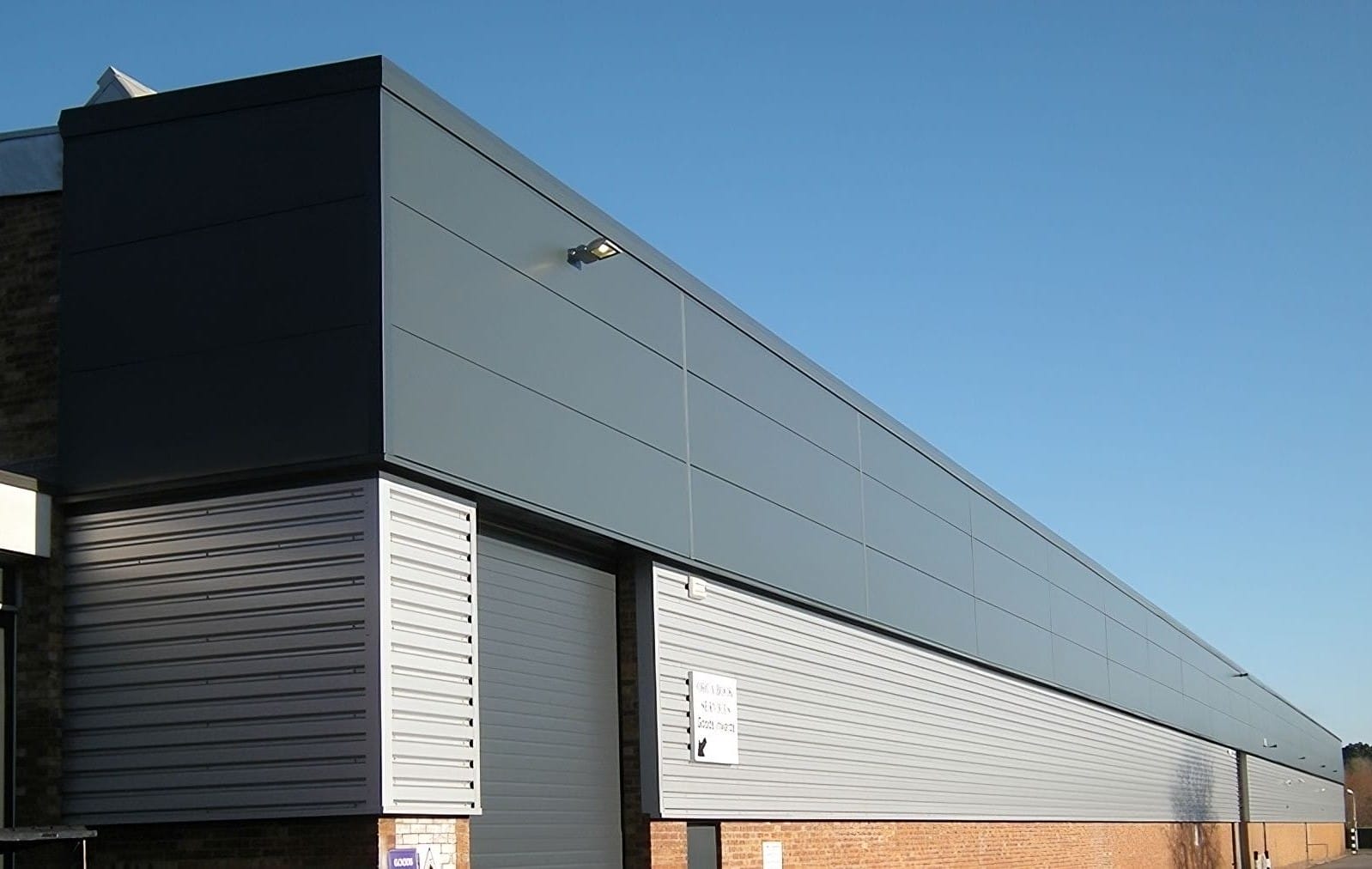
At Gable Projects we will often be employed by surveyors to complete the repairs flagged under the dilapidation process or behalf of the landlord if the property has been occupied for an extended period and repairs fall on them. This is often in relation to the roof or cladding. Landlords will often use this as an opportunity increase the thermal and energy efficiency of their buildings, usually via improved insulation or integration of solar, both of which we also regularly assist on.
Conclusion
The dilapidations process is a critical part of managing commercial and industrial property leases in the UK. Both landlords and tenants should understand their rights and responsibilities under the lease and seek expert advice to navigate the process fairly and effectively. Claims can sometimes run into the hundreds of thousands and by planning ahead and maintaining open communication, costly disputes can often be avoided or minimised.