As industry specialists with years of experience in commercial roofing, we understand that replacing a commercial roof is one of the most significant investments a property owner can make. This comprehensive guide shares our expertise to help you navigate the complexities of commercial roof replacement in the UK.
When Is It Time for Replacement?
Our experience has shown that several key indicators signal the need for roof replacement:
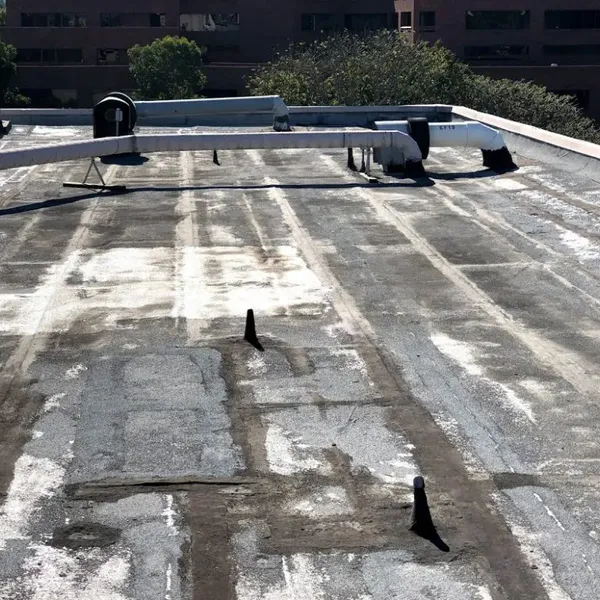
Age plays a crucial role – most commercial roofing systems last 20-30 years, though this varies by material and maintenance history. Recurring leaks, despite repairs, often indicate the system has reached the end of its serviceable life. Significant membrane deterioration, widespread blistering, or extensive ponding water are also clear signs it’s time for replacement.
Understanding Your Options
Modern commercial roofing offers various solutions, each with distinct advantages:
Built-Up Roofing (BUR)
Traditional and reliable, BUR systems provide excellent waterproofing and UV protection. They’re particularly suitable for buildings with heavy rooftop traffic and equipment. While installation costs are higher, their durability often justifies the investment.
Single-Ply Membranes
PVC and EPDM membranes offer excellent flexibility and are increasingly popular in the UK market. They’re lighter than traditional systems and can be installed more quickly, potentially reducing labour costs. Their reflective properties can also contribute to better energy efficiency.
Metal Roofing Systems
Standing seam and other metal roofing options provide exceptional longevity and weather resistance. They’re particularly effective in areas with high rainfall or where architectural appearance is crucial.
The Replacement Process
Initial Assessment
Our approach begins with a comprehensive roof survey, including:
- Structural evaluation
- Moisture scanning
- Core sampling where necessary
- Existing system analysis
- Drainage assessment
Planning and Preparation
Proper planning is crucial for minimising business disruption. This includes:
- Developing detailed project timelines
- Arranging material delivery schedules
- Coordinating with building occupants
- Establishing safety protocols
- Setting up temporary protection measures
- Installation Considerations
Key factors we consider during installation:
Weather conditions play a crucial role in the UK climate. We carefully monitor forecasts and plan accordingly to ensure optimal installation conditions. Protection of the building’s interior during the replacement process is paramount – we employ sophisticated temporary weatherproofing systems when necessary.
Cost Considerations
Several factors influence replacement costs:
- Roof size and complexity
- Chosen materials and system specifications
- Access requirements
- Additional works (e.g., insulation upgrades)
- Removal of existing systems
- Building occupancy considerations
Regulatory Compliance
Commercial roof replacement must comply with:
- Building Regulations Part L (Conservation of Fuel and Power)
- Fire safety requirements
- Health and Safety regulations
- Local planning requirements
- Insurance specifications
Energy Efficiency Opportunities
A roof replacement presents an ideal opportunity to improve building performance:
- Enhanced insulation values
- Integration of natural lighting solutions
- Potential for solar PV installation
- Cool roofing options for reduced cooling loads
- Green roof possibilities
Project Management
Successful commercial roof replacement requires meticulous project management:
Quality Control
We implement rigorous quality control measures throughout the project:
- Regular inspections during installation
- Manufacturer oversight when required
- Testing of completed sections
- Comprehensive final inspection
- Detailed documentation
Communication
Clear communication channels are established with:
- Building owners/managers
- Occupants
- Other contractors
- Local authorities where necessary
- Post-Installation
After completion, we provide:
- Detailed maintenance guidelines
- Warranty documentation
- As-built drawings
- Emergency contact information
- Future inspection schedules
- Long-Term Considerations
To maximise the investment in your new roof:
- Schedule regular maintenance inspections
- Keep detailed records of any rooftop work
- Monitor interior conditions
- Address minor issues promptly
- Plan for future modifications
Environmental Impact
Modern commercial roofing replacement should consider:
- Material recycling opportunities
- Energy efficiency improvements
- Sustainable material choices
- Local environmental regulations
- Carbon footprint reduction
Conclusion
Commercial roof replacement is a significant undertaking that requires careful planning, expert execution, and attention to detail. By understanding the process and working with experienced professionals, building owners can ensure their investment delivers long-term value and performance.
Remember, a well-executed roof replacement does more than just protect your building – it can improve energy efficiency, reduce maintenance costs, and enhance property value. With proper planning and professional installation, your new commercial roof should provide decades of reliable service.
The key to success lies in choosing the right system for your specific needs and ensuring it’s installed to the highest standards. As specialists in commercial roofing, we’re committed to delivering solutions that stand the test of time in the challenging UK climate.