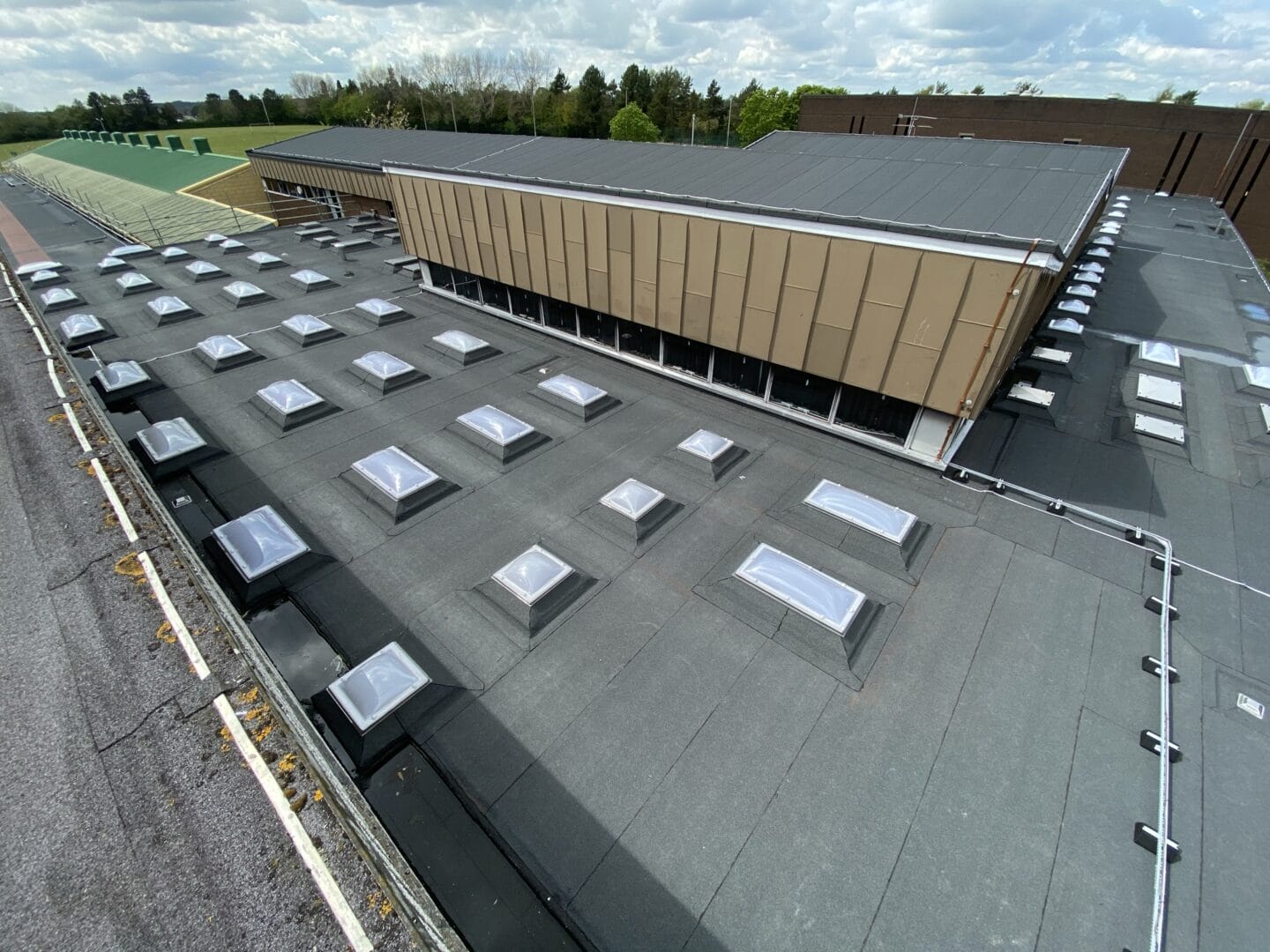
Delaying roof repairs in commercial buildings can lead to a variety of long-term costs, some of which are not immediately apparent. The true cost of such delays includes:
1. Worsening Structural Damage
- Water Damage: Leaks in the roof can allow water to infiltrate the building, potentially damaging ceilings, walls, floors, and even the foundation. Over time, water damage worsens, leading to more expensive repairs.
- Mould Growth: Excess moisture can foster mould growth, which could compromise the building’s air quality and potentially lead to health issues for tenants or employees.
- Weakened Structure: A prolonged leak can compromise the structural integrity of beams, insulation, and other key components of the building, making repairs more expensive or even requiring parts of the building to be rebuilt.
2. Increased Energy Costs
- Poor Insulation: Damaged or worn roofs can lead to heat loss in the winter or excessive heat entry in the summer, which raises heating and cooling costs for the building.
- HVAC Strain: When temperatures fluctuate more inside due to poor roof insulation, HVAC systems have to work harder, driving up energy bills and leading to higher maintenance costs for the HVAC system.
3. Impact on Property Value
- Decreased Marketability: If potential tenants or buyers notice roofing issues, they may be less likely to rent or purchase the property, reducing its value.
- Inspection Failures: During a property inspection (for sale or lease), roof problems can lead to failed evaluations, potentially scaring off buyers or tenants, or lowering offers due to anticipated repair costs.
4. Business Interruption
- Disruption to Operations: Roof damage can cause business interruptions. For instance, water leaks may force temporary closures or halt production in certain areas, impacting revenue.
- Tenant Complaints and Legal Issues: In leased properties, tenants may take legal action if roof issues result in water damage to their personal property or disrupt their ability to conduct business, leading to potential legal fees, compensation, or even lawsuits.
5. Higher Repair Costs Over Time
- Progressive Deterioration: The longer you wait, the more the damage progresses, often resulting in the need for more expensive repairs or even a full roof replacement rather than a simple repair.
- Compounding Problems: Delaying repairs means that other parts of the building may also begin to deteriorate as a result of roof issues. This leads to a cascade of additional repairs beyond just the roof itself.
6. Insurance & Liability Risks
- Safety Hazards: A deteriorating roof can pose a safety risk to employees, customers, or contractors working in the building. If someone is injured due to a roof-related issue, the building owner may face significant liability costs, including insurance claims, lawsuits, and worker’s compensation claims.
- Insurance Premium Increases: If the roof damage is deemed preventable and the delay in repair is seen as negligence, your insurance premiums could rise, or claims could be denied.
- Coverage Limitations: Some insurance policies may not cover roof damage if it’s found to be due to negligence or deferred maintenance, leading to higher out-of-pocket costs for repairs.
- Claim Denials: Insurance companies may deny claims if they find evidence that the damage was caused or exacerbated by a failure to maintain the roof, which is often seen as the building owner’s responsibility.
- Building Code Violations: If roof issues lead to code violations or if the building is uninhabitable, you may face fines from local authorities.
7. Long-Term Maintenance Challenges
- Accumulative Damage: Small issues that could have been addressed with a minor repair turn into larger, costlier problems that require extensive intervention.
- Delay in Warranty Coverage: Many roofing materials come with warranties, but these warranties often have clauses that void them if damage is not repaired in a timely manner, forcing you to pay for repairs out of pocket.
Conclusion
Delaying roof repairs in commercial buildings is a costly decision. The true cost goes far beyond the immediate repair expenses and can significantly affect operational efficiency, tenant satisfaction, property value, and long-term financial health. It’s crucial to address roof issues promptly to mitigate the risk of escalating costs and protect the building’s value.