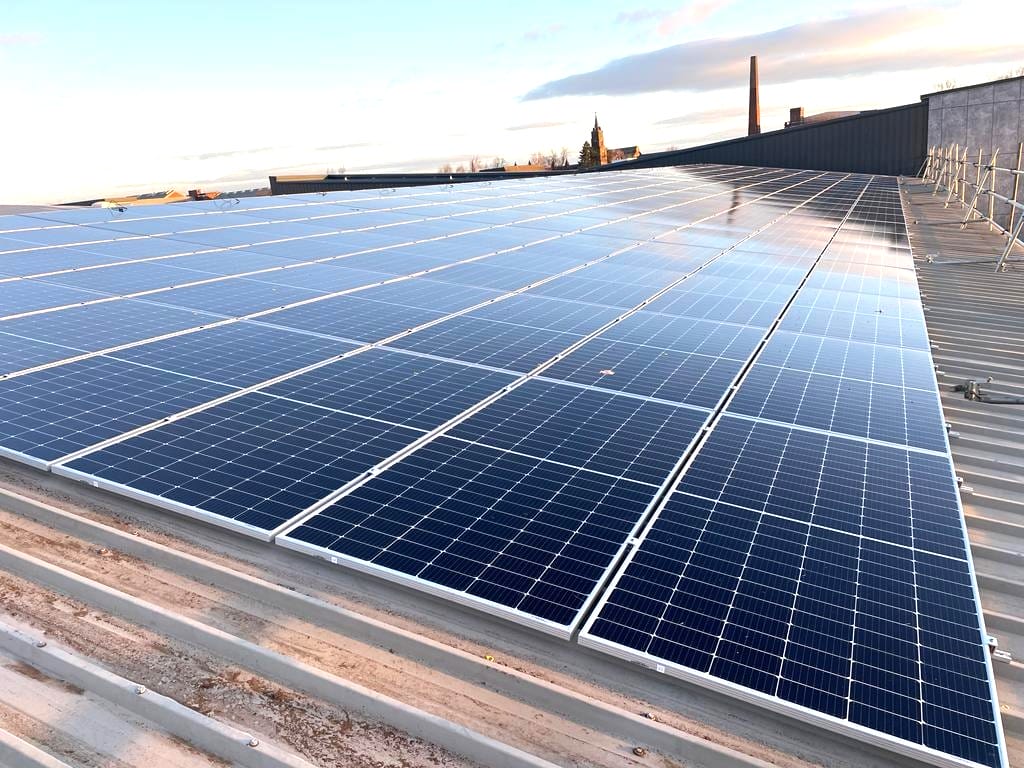
In the push toward renewable energy and sustainability, solar panels have become a common sight on commercial rooftops across the UK. Businesses are increasingly investing in photovoltaic (PV) systems to cut electricity costs and meet environmental targets. However, a critical oversight is emerging: the failure to align the lifespan and installation timing of solar panels with the condition and age of the underlying roof.
A Costly Oversight in Planning
Commercial solar panels are typically designed to last 25 to 30 years. Meanwhile, commercial flat or pitched roofing systems—especially those using materials like bitumen, single-ply membranes, or metal—often have a lifespan ranging from 15 to 30 years, depending on quality and roof maintenance undertaken. When businesses install solar panels on roofs nearing the end of their serviceable life, they may face a significant problem: the need to remove and reinstall the panels to facilitate a roof replacement or repair.
This oversight can lead to:
• Increased operational costs: The cost of temporarily removing and then reinstalling a solar PV system can run into thousands of pounds, not including potential energy generation downtime.
• Logistical challenges: Finding contractors skilled in both roofing and solar installations can delay projects and increase labour costs.
• Warranty complications: Many solar panel warranties and roof warranties may be voided if panels are removed and reinstalled without following proper protocols or using approved contractors.
Case Study: A Real-World Example
A commercial property in Birmingham installed a 100 kW solar PV system in 2019, unaware that the bitumen roof had just five years of expected life left. In 2024, leaks began appearing, and a full re-roof was required. The business had to pay over £20,000 to remove and reinstall the panels, and lost revenue from energy production during the six-week roofing period added another £5,000 to the bill.
Best Practices for Commercial Property Owners
To avoid these pitfalls, commercial property owners should consider the following steps:
1. Roof Inspection Prior to Solar Installation
Before installing solar panels, conduct a thorough roof survey by a qualified professional. If the roof has less than 10 years of life left, consider re-roofing first.
2. Simultaneous Roofing and Solar Planning
Align the timeline of your roof replacement and solar installation. If you’re already investing in panels, ensure the roof can support them for the entire expected system lifespan.
3. Integrated Design and Installation
Work with companies that specialise in both commercial roofing and solar installations to ensure compatibility of materials, anchoring methods, and long-term maintenance plans.
4. Ongoing Maintenance
Establish a maintenance contract that includes regular inspections of both the roof and solar array. Early detection of roof issues can prevent major disruptions.
Regulatory and Industry Support
With the UK government’s push for net-zero emissions by 2050, more grants and incentives are being introduced to encourage solar adoption. However, regulatory bodies may soon begin recommending or requiring roof condition certifications before commercial solar installations—a step that could protect businesses from long-term financial hits.
Conclusion
As solar technology becomes more accessible, commercial property owners must not overlook the critical relationship between their rooftop’s integrity and solar energy infrastructure. Proactive planning can prevent financial losses, extend the lifespan of both systems, and ensure a truly sustainable investment.