The commercial roofing industry is evolving rapidly, and one of the most impactful innovations in recent years is the use of drones and drone surveys. From roof inspections to project planning and asset management, drones are transforming how commercial roofing professionals work, making operations safer, faster, and more cost-effective.
As building owners and contractors look for smarter ways to manage large-scale roofing assets, drone technology has become an essential tool rather than a luxury.
What Are Drone Surveys in Commercial Roofing?
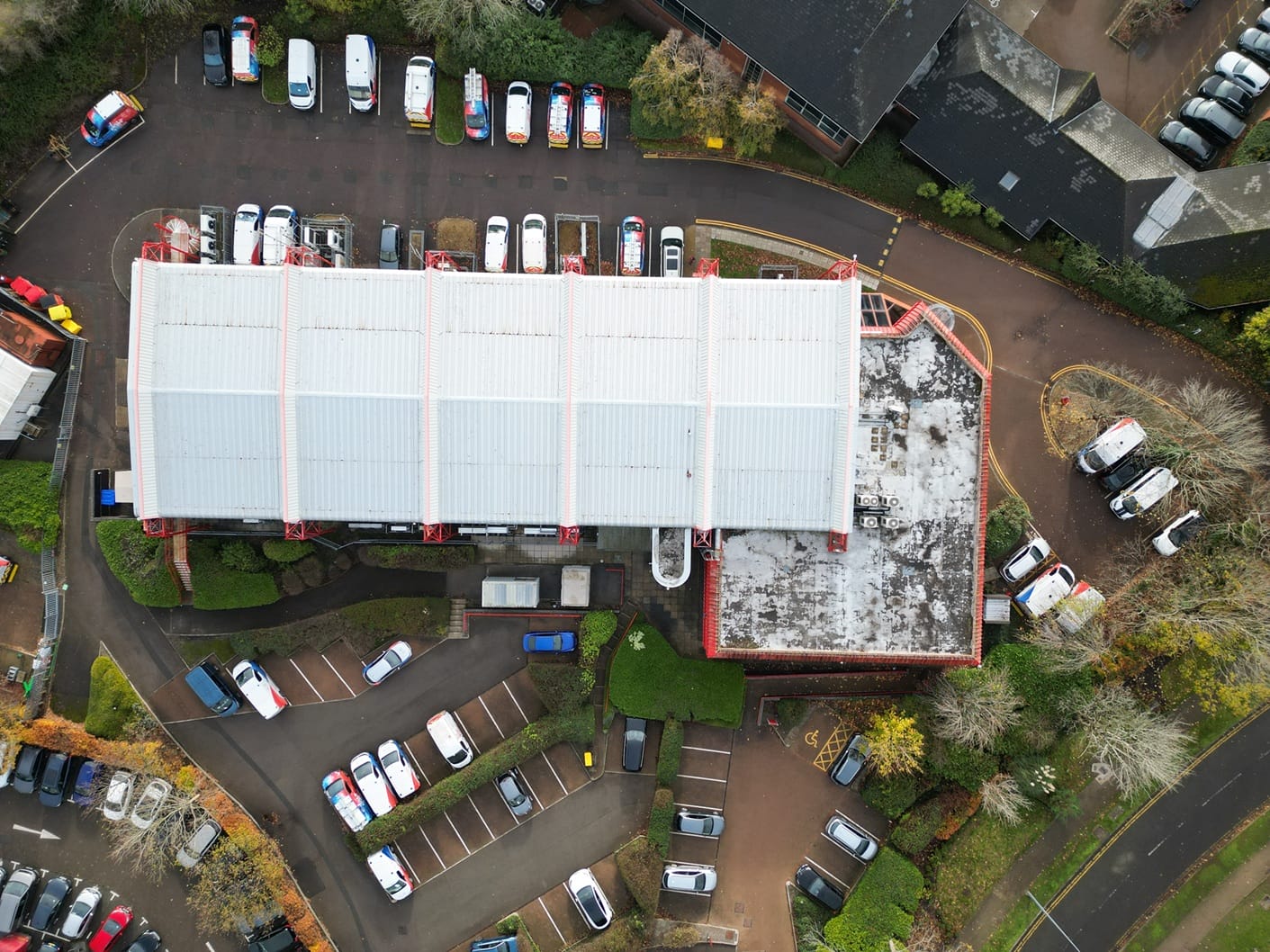
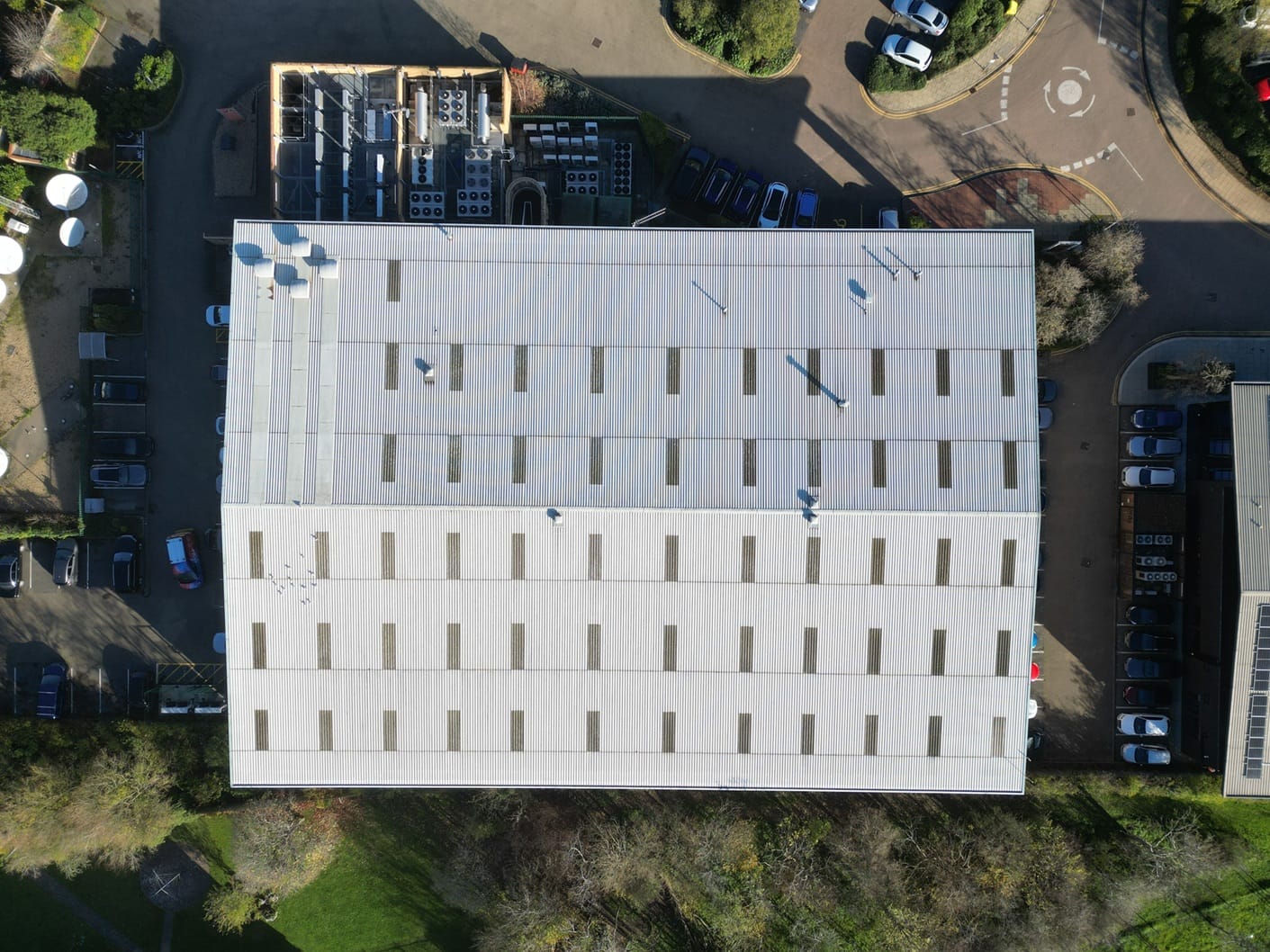
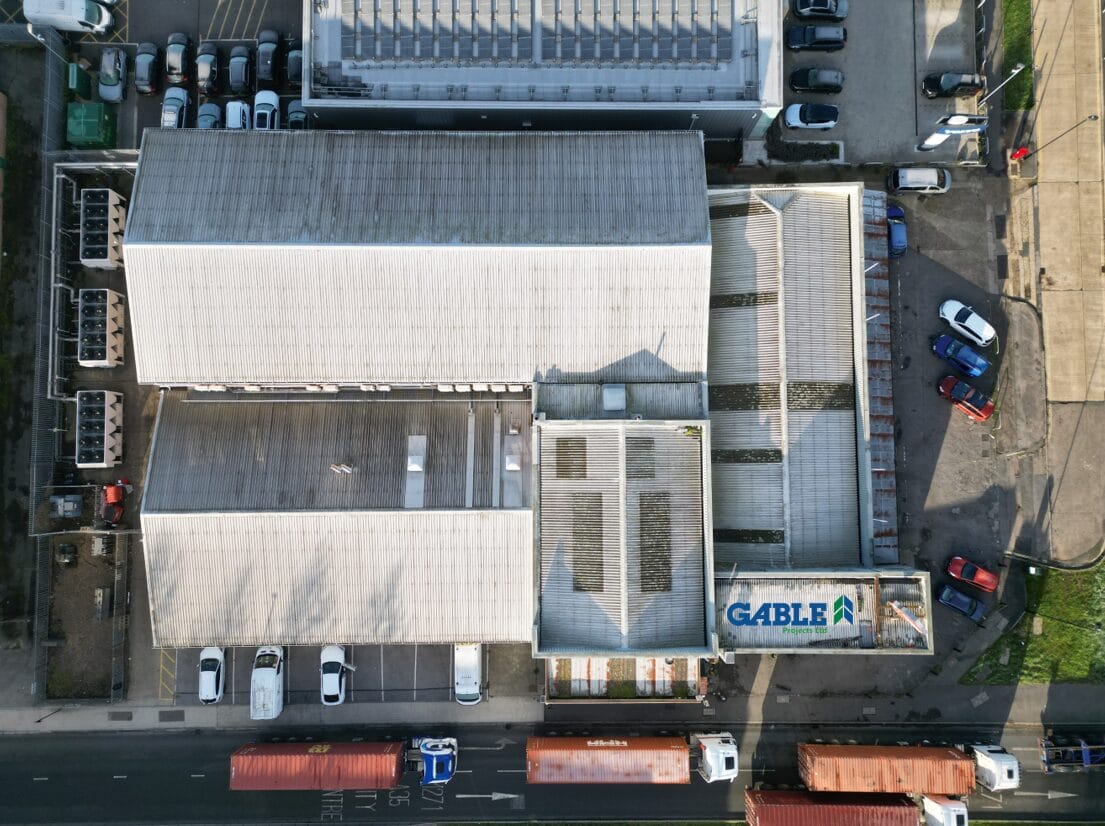
Drone surveys use unmanned aerial vehicles (UAVs) equipped with high-resolution cameras, thermal sensors, and mapping software to capture detailed data about commercial roofs. These surveys provide accurate visual and analytical insights without the need for physical roof access in many cases.
For large warehouses, factories, shopping centres, and office buildings, drone roof inspections offer a modern alternative to traditional manual surveys.
Key Benefits of Using Drones in Commercial Roofing
1. Improved Safety for Roofing Professionals
Safety is one of the biggest advantages of drone technology in commercial roofing. Traditional inspections often require technicians to work at height, increasing the risk of falls and injuries.
With drones:
• Inspectors can assess roofs remotely
• Fewer people need to access hazardous areas
• Risk is significantly reduced for both staff and clients
This makes drone roof inspections especially valuable for older buildings or roofs with structural concerns.
2. Faster Roof Inspections and Surveys
Drone surveys dramatically reduce inspection time. What once took hours, or even days, can now be completed in a single flight.
For commercial roofing contractors, this means:
• Faster turnaround on inspections
• Quicker reporting for clients
• Reduced project downtime
Speed is a major advantage when dealing with emergency roof damage, storm assessments, or insurance claims.
3. High-Resolution Visual and Thermal Data
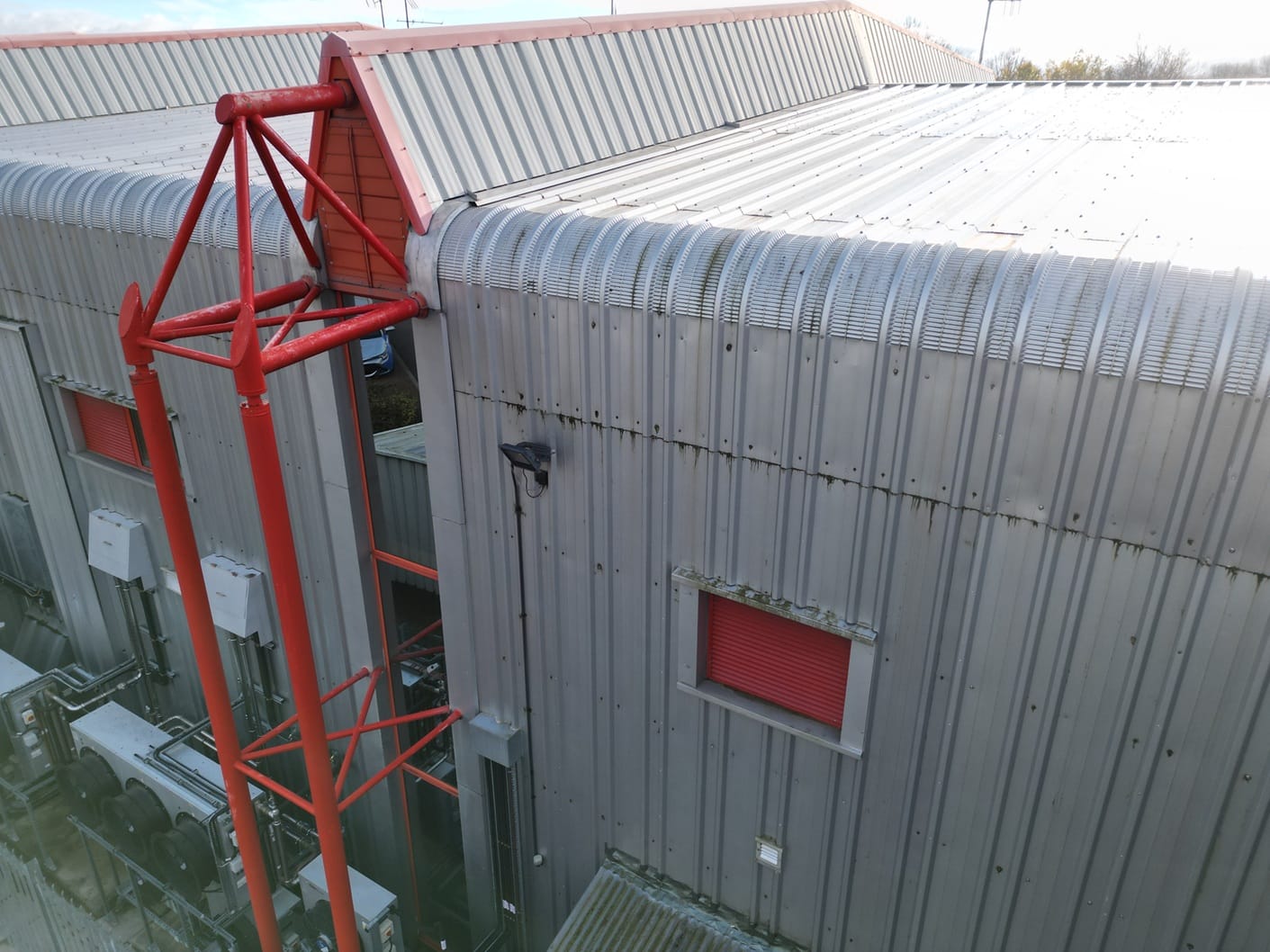
Modern drones capture ultra-high-resolution imagery and thermal data that often surpass what the human eye can detect.
Drone surveys can identify:
• Cracks, punctures, and membrane damage
• Water pooling and drainage issues
• Heat loss and insulation failures (using thermal imaging)
This level of detail helps roofing professionals diagnose issues early, preventing minor defects from becoming costly repairs.
4. Cost-Effective Roofing Assessments
By reducing labour hours, access equipment, and repeat site visits, drone inspections can significantly lower overall inspection costs.
Benefits include:
• No scaffolding or cherry pickers required
• Reduced manpower on site
• More accurate assessments first time
For building owners managing multiple commercial properties, drone surveys offer long-term cost savings and better budget planning.
5. Accurate Measurement and Roof Mapping
Drone technology enables precise roof measurements, 3D models, and orthomosaic maps. This is especially useful for:
• Roofing estimates and tenders
• Material calculations
• Project planning and design
Accurate data reduces guesswork, minimises waste, and supports more competitive pricing.
Practical Uses of Drones in Commercial Roofing
Roof Inspections and Condition Reports
Routine drone inspections allow roofing contractors to monitor roof conditions without disruption to building operations.
Preventative Maintenance Planning
Regular drone surveys help identify early signs of wear, enabling proactive maintenance rather than reactive repairs.
Storm Damage and Insurance Claims
After extreme weather events, drones provide fast, documented evidence for insurance claims and loss assessments.
Project Progress Monitoring
During large roofing projects, drones can track progress, document milestones, and keep stakeholders informed.
Asset Management for Property Owners
Property managers can build a visual history of roof conditions over time, supporting long-term asset management strategies.
Why Drone Surveys Are the Future of Commercial Roofing
As regulations, technology, and client expectations evolve, drone surveys are becoming an industry standard. They offer a smarter, safer, and more data-driven approach to commercial roofing inspections and maintenance.
For roofing contractors, adopting drone technology can:
• Improve service quality
• Differentiate from competitors
• Build trust through transparency and visual reporting
For building owners, drones provide confidence, clarity, and control over one of their most valuable assets, the roof.
Conclusion
Drones are no longer just a cutting-edge tool; they are reshaping how the commercial roofing industry operates. By embracing drone surveys, roofing professionals can deliver safer inspections, more accurate insights, and better outcomes for their clients. Need or thinking about a drone survey? Got a hard to access area on your roof?