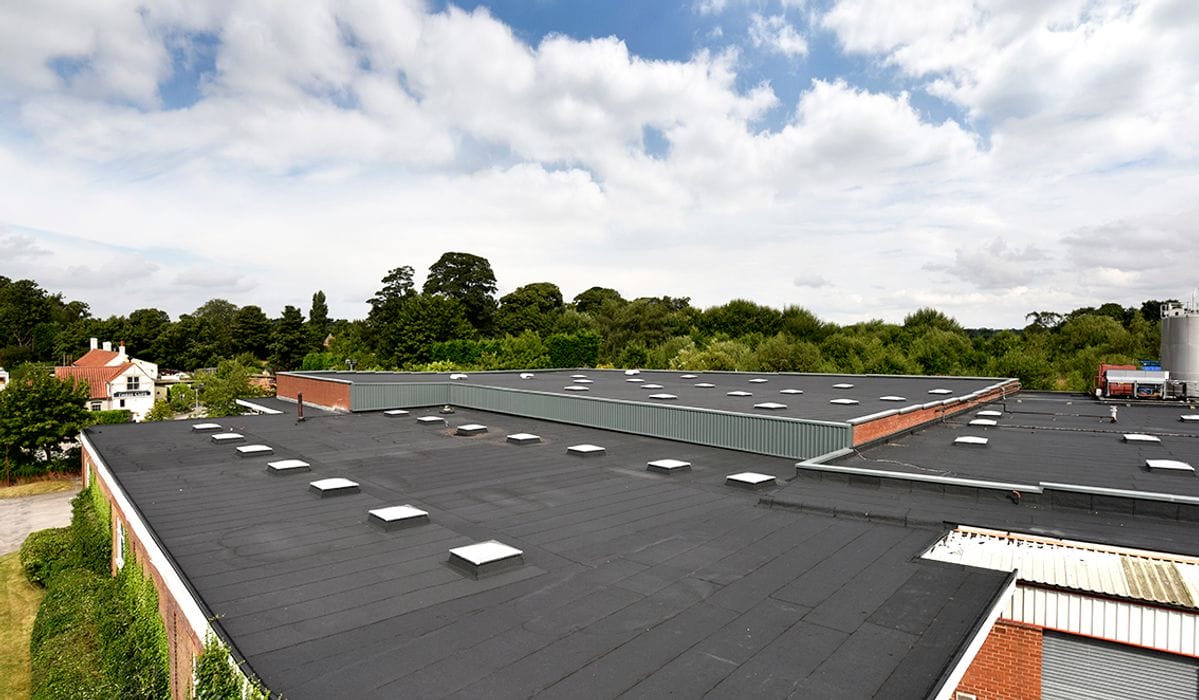
In an era of increasing climate volatility and aging infrastructure, ensuring the integrity of building envelopes, particularly roofs, has never been more critical. Roofs serve as the first line of defence against the elements and protect vast arrays of assets, yet they are often among the most neglected components of a structure – out of sight, out of mind!
Enter smart roof monitoring systems, an innovative blend of sensor technology and data analytics that promises to revolutionise how we maintain and protect buildings.
The Concept of Roof-Integrated Sensors
Roof monitoring sensors are compact, durable devices installed within or beneath roofing systems to continuously collect data on various environmental and structural conditions. These sensors are typically embedded during construction or retrofit projects and are connected to a central monitoring platform via wired or wireless networks. The data gathered can provide real-time insights into the roof’s health, enabling timely maintenance and extending its lifespan.
The core functionality of these sensors revolves around detecting changes in moisture levels, temperature fluctuations, load stress, and movement or deformation of roofing materials. By analysing these variables, the system can flag early signs of water intrusion, insulation failure, or structural degradation, all issues that often go undetected until extensive damage occurs.
Types of Sensors and Their Functions
Several types of sensors can be used in roof monitoring systems, each designed to detect specific indicators of roof condition:
• Moisture Sensors: These sensors are crucial in identifying water infiltration, which can lead to mould growth, rot, and structural failure. Capacitance-based or resistive sensors are commonly used to detect changes in moisture content within insulation or roofing membranes.
• Temperature Sensors: Extreme heat or cold can compromise roofing materials. Thermocouples or thermistors embedded in the roof layers provide data on temperature changes that could signal compromised thermal performance or impending material fatigue.
• Strain and Load Sensors: These are used to detect excessive weight on the roof from snow, debris, or ponding water. Load cells and strain gauges can monitor structural stress and help prevent failure or in extreme cases collapse.
• Accelerometers and Tilt Sensors: These sensors detect movement, shifts, or sagging in the roof structure, which might indicate foundational issues or deterioration of support systems.
• UV and Weather Sensors: Some systems incorporate sensors to measure UV radiation and weather conditions, correlating environmental exposure with material wear.
Benefits of Smart Roof Monitoring
The deployment of sensor-based monitoring systems provides several compelling advantages:
• Preventative Maintenance: Early detection of issues allows building managers to perform targeted maintenance before small problems escalate into costly repairs or safety hazards.
• Cost Savings: By avoiding major repairs or full roof replacements, property owners can significantly reduce long-term maintenance costs.
• Energy Efficiency: Monitoring insulation effectiveness and thermal performance helps maintain energy efficiency, reducing HVAC loads and utility expenses.
• Data-Driven Decision Making: Access to real-time data supports smarter budgeting and maintenance planning, optimizing asset management strategies.
• Enhanced Safety: Detecting structural weaknesses or excessive loads in advance minimizes risks to occupants and maintenance personnel.
Applications and Integration
These sensor systems are applicable across various building types, including commercial complexes, industrial facilities, schools, hospitals, and even residential homes. For flat or low-slope roofs, where water pooling and load stresses are more prevalent, the value of real-time monitoring is particularly significant.
Modern systems are often integrated into Building Management Systems (BMS) or cloud platforms. They offer user-friendly dashboards accessible via computers or mobile devices, featuring alerts, historical trend analysis, and maintenance suggestions. Some solutions also use AI and machine learning to predict future issues based on past data patterns.
Challenges and Considerations
Despite their benefits, roof-integrated sensor systems face certain challenges:
• Initial Cost: Installation of a monitoring system involves upfront costs, which may be a barrier for some property owners, particularly in smaller or older buildings.
• Power Supply: Ensuring consistent power, whether through battery, solar, or building integration is vital, especially in remote or hard-to-access roofs.
• Durability and Reliability: Sensors must be resilient to extreme environmental conditions and require minimal maintenance to remain viable over the long term.
• Data Security: As with any integrated data system, data integrity and cybersecurity are essential, particularly for large commercial installations. The information also requires users to interpret and understand it.
The Future of Roof Monitoring
As sensor technologies advance and become more affordable, their adoption in roof monitoring is expected to rise sharply. The integration of high level computing, 5G connectivity, and AI will only enhance the accuracy and responsiveness of these systems.
Conclusion
Smart roof monitoring represents a forward-thinking approach to building management. By leveraging real-time data, building owners can shift from reactive repairs to proactive care—preserving assets, enhancing safety, and contributing to a more sustainable built environment.