The roofing industry may not always be the first sector people associate with sustainability, but it plays a pivotal role in shaping a greener future. Roofs cover every home, office, and industrial building, and even small changes in how they are designed, maintained, and upgraded can significantly impact the environment. From improving energy efficiency to integrating solar technology, the roofing industry is uniquely positioned to reduce carbon footprints, conserve resources, and extend the lifespan of buildings.
Below, we explore how strategic changes in roofing practices can help the environment, without compromising performance or durability.
1. Energy Efficiency Improvements
One of the most immediate ways roofing can reduce environmental impact is by enhancing energy efficiency. A well-insulated, reflective, or “cool” roof helps maintain indoor temperatures more effectively, reducing the need for air conditioning in summer and heating in winter.
Energy-efficient roofing materials such as reflective membranes, green roofing systems, and high-performance insulation minimise heat transfer. This lowers a building’s energy consumption, directly reducing greenhouse gas emissions. Over time, even modest efficiency improvements across thousands of roofs can create significant environmental savings.
For homeowners and businesses, energy-efficient roofs also translate into lower utility bills, a win for both the environment and the bottom line.
2. Smarter Waste Management
The roofing industry is traditionally waste-intensive. Old shingles, underlayment, and other discarded materials often end up in landfills. However, many roofing materials, including asphalt shingles and metal, are recyclable. By adopting recycling programs and partnering with facilities that repurpose roofing waste, contractors can prevent tons of material from contributing to landfill overflow.
Some companies now specialise in reclaiming asphalt shingles for use in road construction, while metal roofing panels can be melted down and reused indefinitely without loss of quality. Even packaging from new materials can be recycled when waste is managed responsibly.
Reducing waste is not just an environmental priority; it also shows clients that a roofing business is forward-thinking and committed to sustainable practices. As such Gable Projects are pleased to be registered upper tier waste carriers under the Waste (England and Wales) Regulations 2011.
3. Sustainable Materials Make a Difference
The choice of materials directly influences a roof’s environmental footprint. Traditional methods such as tile, slates and bitumen felt based systems are still made in similar ways to before. More sustainable alternatives, such as metal, clay and recycled composite tiles, can offer longer lifespans and lower overall environmental costs.
Metal roofs, for instance, can last 40–70 years and are often made from recycled content. Clay and slate are naturally durable and highly resistant to weathering. Even recycled rubber and plastic composites are gaining popularity as eco-friendly roofing options.
By selecting sustainable materials, contractors and building owners alike can reduce environmental impact while also improving long-term roof performance.
4. Preparing Roofs for Solar Integration
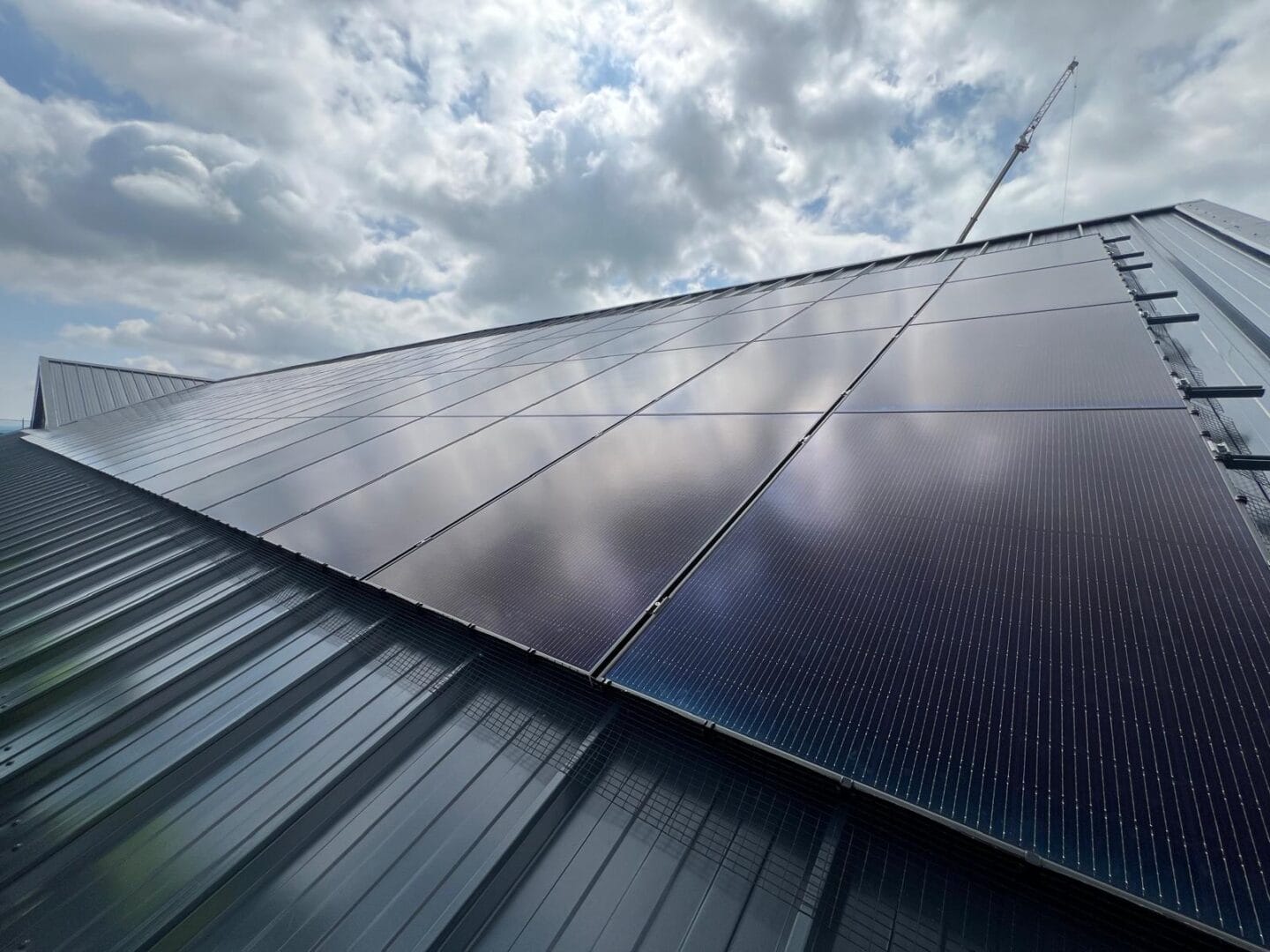
As renewable energy adoption grows, roofs are becoming vital platforms for solar technology. Preparing a roof for solar integration is one of the most impactful steps the industry can take to support environmental progress.
When designing or replacing a roof, contractors can ensure it has the right structural support, orientation, and materials to accommodate solar panels, even if they are not immediately introduced. Simple considerations, such as minimizing obstructions like chimneys or vents on southern exposures, can maximize solar output.
Solar-ready roofs empower owners and businesses to transition to clean energy faster, reducing reliance on fossil fuels and cutting carbon emissions for decades to come.
5. Extending Roof Lifespans Through Maintenance
One of the most overlooked yet powerful ways to protect the environment is through regular roof maintenance. Extending the usable life of an existing roof means delaying the need for new materials, manufacturing, and transportation, processes that all carry environmental costs.
Routine inspections, cleaning gutters, repairing minor damage, and resealing vulnerable areas can prevent small issues from escalating into major replacements. Preventive maintenance is not only cost-effective but also conserves resources and minimizes waste.
By helping roofs last longer, the industry reduces material consumption and lowers the frequency of landfill disposal.
A Greener Future Through Roofing
The roofing industry has enormous potential to contribute to sustainability. By embracing energy efficiency, recycling waste, choosing sustainable materials, preparing for solar integration, and extending roof lifespans through maintenance, the sector can make a meaningful difference for the planet.
For businesses and homeowners, these changes also bring financial benefits, from reduced energy costs to improved property value. The path to a greener future is not about radical overhauls but rather small, strategic changes that add up.
Roof by roof, the industry can play a powerful role in shaping a more sustainable built environment.