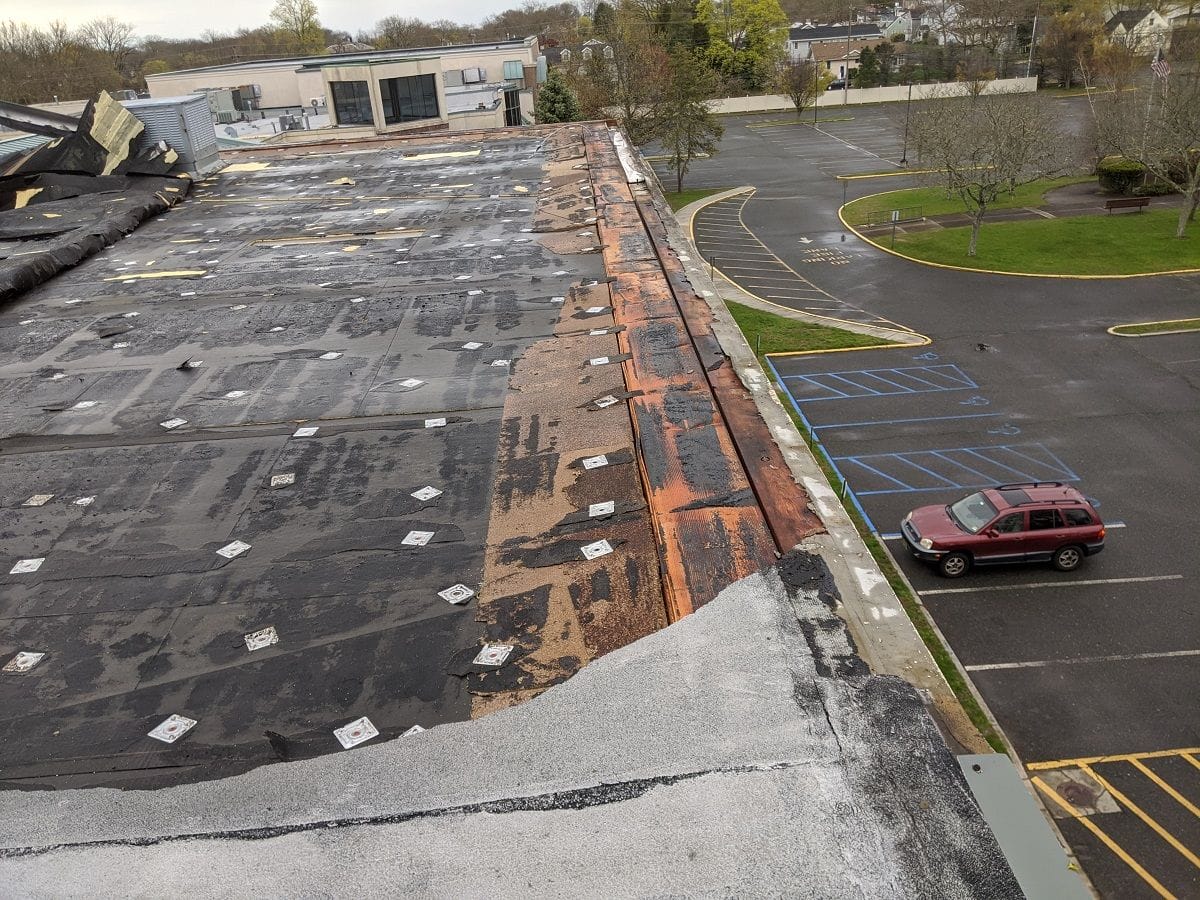
In the challenging British climate, a well-maintained commercial roof isn’t just an asset – it’s a necessity. Regular maintenance not only protects your significant investment but also ensures business continuity and compliance with building regulations. Let’s explore how to maximise your roofing investment through proper maintenance strategies.
Understanding the Stakes
The average commercial roof in the UK represents 10-15% of a building’s total value. Yet many property owners overlook maintenance until problems arise. This reactive approach often leads to costly repairs, shortened roof lifespan, and potential business disruption. Implementing a proactive maintenance strategy can extend your roof’s life by 10-15 years while protecting your investment.
Essential Components of a Maintenance Programme
Regular Inspections
Professional inspections should occur at least twice yearly – typically in spring and autumn. These inspections should include:
Thorough examination of all roofing materials and flashings
Assessment of drainage systems and guttering
Evaluation of roof-mounted equipment seals and fixings
Documentation of any developing issues or areas of concern
Preventative Maintenance
Between professional inspections, facility managers should ensure routine maintenance tasks are performed:
Clear debris from gutters and drainage systems
Remove vegetation growth and accumulated dirt
Check for standing water after rainfall
Monitor interior surfaces for signs of water ingress
The Cost-Benefit Analysis
While some property owners balk at the cost of regular maintenance, the numbers tell a compelling story. A well-maintained commercial roof typically costs £0.75-1.50 per square foot annually to maintain. Compare this to premature replacement costs of £10-20 per square foot, and the value becomes clear.
Weather Considerations in the UK
The British climate presents unique challenges for commercial roofing. Heavy rainfall, frequent temperature fluctuations, and occasional severe weather events make regular maintenance particularly crucial. Special attention should be paid to:
Water management systems during autumn leaf fall
Freeze-thaw damage during winter months
UV exposure during summer
Wind uplift protection throughout the year
Professional vs In-House Maintenance
While daily visual inspections can be conducted by facility staff, professional involvement is essential for:
Detailed structural assessments
Compliance with warranty requirements
Specialist repairs and treatment
Safety compliance and risk assessment
Documentation and Planning
Maintaining detailed records is crucial for:
Warranty validation; Insurance purposes
Budget forecasting
Tracking deterioration patterns
Planning future maintenance needs
Common Issues and Early Detection
Early identification of problems can prevent costly repairs. Key warning signs include:
Bubbling or blistering in membrane roofing
Cracked or missing tiles
Damaged flashings around roof penetrations
Interior staining or damp patches
Blocked or damaged guttering
Sustainability and Energy Efficiency
Regular maintenance contributes to building sustainability through:
Improved thermal performance
Reduced heat loss
Better rainwater management
Extended material lifespan
Enhanced energy efficiency
Emergency Response Planning
Despite best maintenance efforts, emergencies can occur. A robust emergency response plan should include:
24/7 contact details for approved contractors
Temporary repair protocols
Business continuity procedures
Insurance claim processes
Investment in Modern Solutions
Consider incorporating modern maintenance solutions:
Drone surveys for hard-to-reach areas
Thermal imaging for leak detection
Smart sensors for real-time monitoring
Green roof maintenance programmes
Legal Compliance and Safety
Maintenance activities must comply with:
Health and Safety at Work Act requirements Working at Height regulations CDM regulations Insurance requirements
Return on Investment Considerations
Strategic maintenance investment delivers returns through:
Extended roof lifespan Reduced emergency repair costs Lower energy bills Maintained property value Decreased business interruption risk
Planning for the Future
A forward-thinking maintenance strategy should include:
Budget allocation for routine maintenance
Contingency funds for unexpected repairs
Timeline for major component replacement
Technology upgrade considerations
Conclusion
In the UK’s commercial property sector, roof maintenance isn’t just about preventing leaks – it’s about protecting your investment, ensuring business continuity, and maintaining property value. By implementing a comprehensive maintenance strategy, property owners can significantly extend their roof’s lifespan while minimising long-term costs.
Remember, every pound spent on preventative maintenance can save several pounds in future repairs. In today’s competitive commercial property market, a well-maintained roof isn’t just an operational necessity – it’s a strategic advantage.
Investing in regular maintenance might seem like a significant expense, but when viewed against the cost of premature replacement or emergency repairs, it becomes clear that a proactive approach is the most cost-effective strategy for protecting your commercial roofing investment.