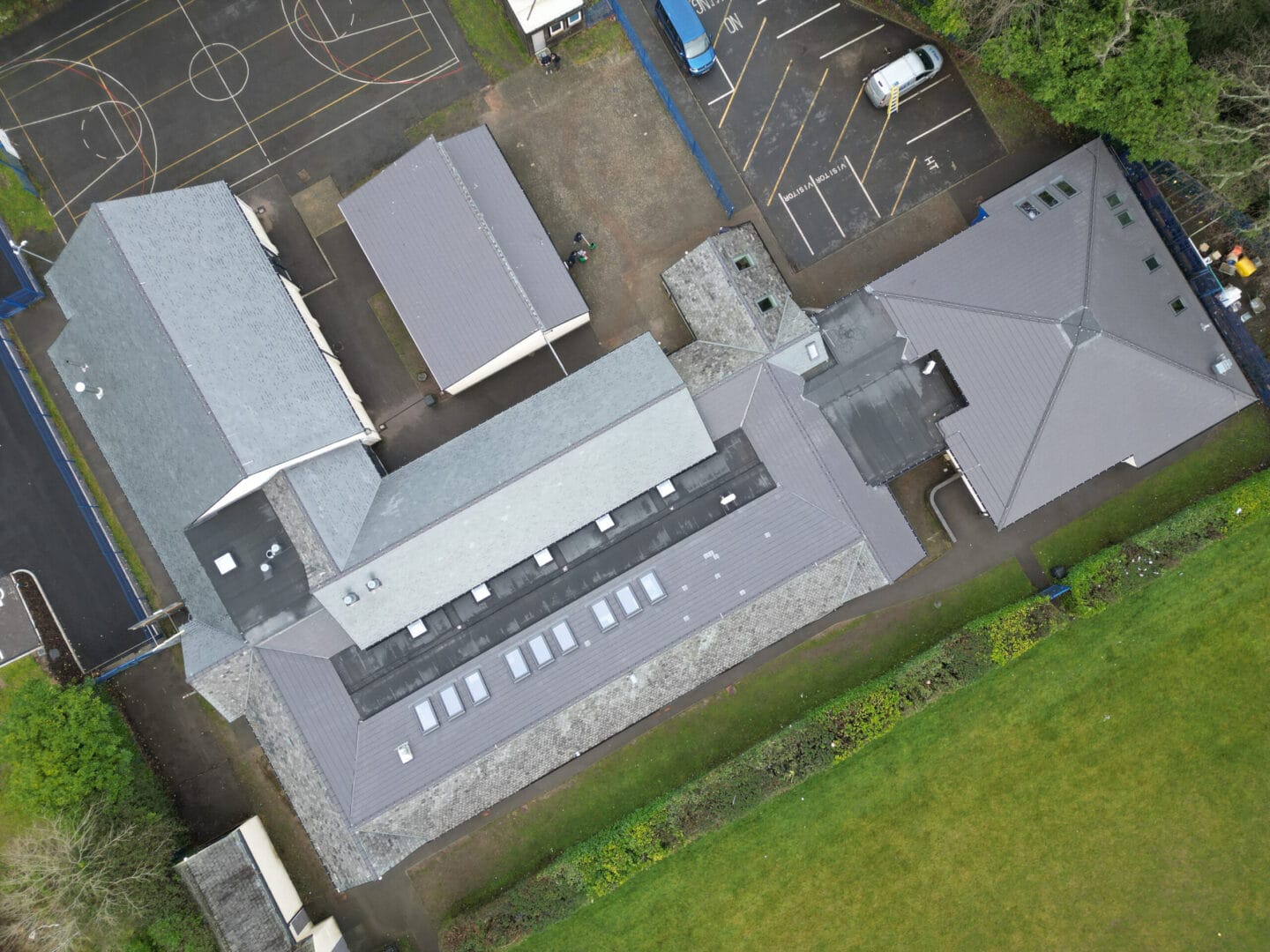
Replacing a roof on a commercial or occupied (“live”) building is far more complex than a standard construction project. It requires careful coordination, risk management, and stakeholder communication to ensure minimal disruption to operations while maintaining safety and programme efficiency. However, one factor consistently underestimated is the importance of realistic timings and the serious detrimental effects that can arise when programmes are overly optimistic.
1. Understanding the Building’s Operational Constraints
One of the first steps in planning a roof replacement programme is gaining a deep understanding of how the building operates. Is it a hospital, office, retail unit, or industrial facility? Each comes with unique sensitivities. For example, noise, vibration, and restricted access hours may significantly influence your programme. Early engagement with building users allows you to map out “no-go” periods and identify critical operational windows.
2. Detailed Condition Surveys and Scope Definition
A comprehensive roof survey is essential before developing the programme. This should include structural assessments, waterproofing condition, insulation performance, and any hidden defects. A clearly defined scope reduces the risk of unexpected variations later in the project, which can derail timelines and budgets, particularly challenging in live environments.
3. Phasing and Sequencing of Works
Phasing is crucial when working on occupied buildings. Breaking the project into manageable sections allows parts of the building to remain operational while works are carried out elsewhere. Logical sequencing, considering weather exposure, access, and material logistics—helps maintain progress without compromising safety or building integrity.
4. Realistic Programming and Allowances
This is where many projects fall short. Roofing works are frequently programmed too tightly, with insufficient allowance for sequencing, access constraints, and unforeseen issues.
Overly ambitious timelines can lead to:
- Compromised quality of installation
- Increased health & safety risks
- Greater likelihood of rework
- Disruption to building occupants
- Commercial disputes and loss of trust
Building in realistic durations, float, and contingency is not inefficiency, it is good project management. A well-considered programme should reflect real site conditions, not best-case scenarios.
5. Health & Safety Planning
Roof replacement carries inherent risks, including working at height, exposure to weather, and potential hazards to building occupants. A robust health and safety plan must address both construction risks and the safety of those inside the building. This includes safe access routes, exclusion zones, fire safety measures, and emergency procedures.
6. Weather and Programme Contingencies
Roofing works are highly weather-dependent. Rain, wind, and temperature can all impact installation quality and productivity. Building realistic contingencies into your programme is essential. Temporary waterproofing solutions should also be considered to protect the building during unexpected weather events.
7. Access and Logistics Management
Efficient access planning is often overlooked but is critical to programme success. Consider how materials will be delivered, stored, and lifted to roof level. Craneage, hoists, and loading restrictions must be coordinated carefully, especially in urban or constrained sites. Poor logistics planning can lead to delays, increased costs, and safety risks.
8. Stakeholder Communication
Clear and consistent communication with stakeholders is vital throughout the project lifecycle. This includes tenants, building managers, employees, and visitors. Providing regular updates, advance notice of disruptive works, and clear points of contact helps manage expectations and reduces complaints.
9. Compliance and Regulatory Requirements
Ensure all works comply with current building regulations, planning permissions, and environmental standards. This may include fire regulations, insulation requirements, and sustainability targets. Early engagement with regulatory bodies can prevent delays during the approval process.
10. Contractor Selection and Expertise
Choosing the right contractor is critical. Experience in working on live commercial buildings should be a key selection criterion. Look for contractors who demonstrate strong project management capabilities, health and safety performance, and a collaborative approach to working with stakeholders.
Final Thoughts
Planning a roof replacement programme on a live commercial building requires a strategic, detail-oriented approach. By addressing operational constraints, prioritising safety, and maintaining clear communication, you can deliver a successful project with minimal disruption.
If you’re preparing for a roof replacement project, taking the time to plan thoroughly at the outset will save significant time, cost, and risk in the long run