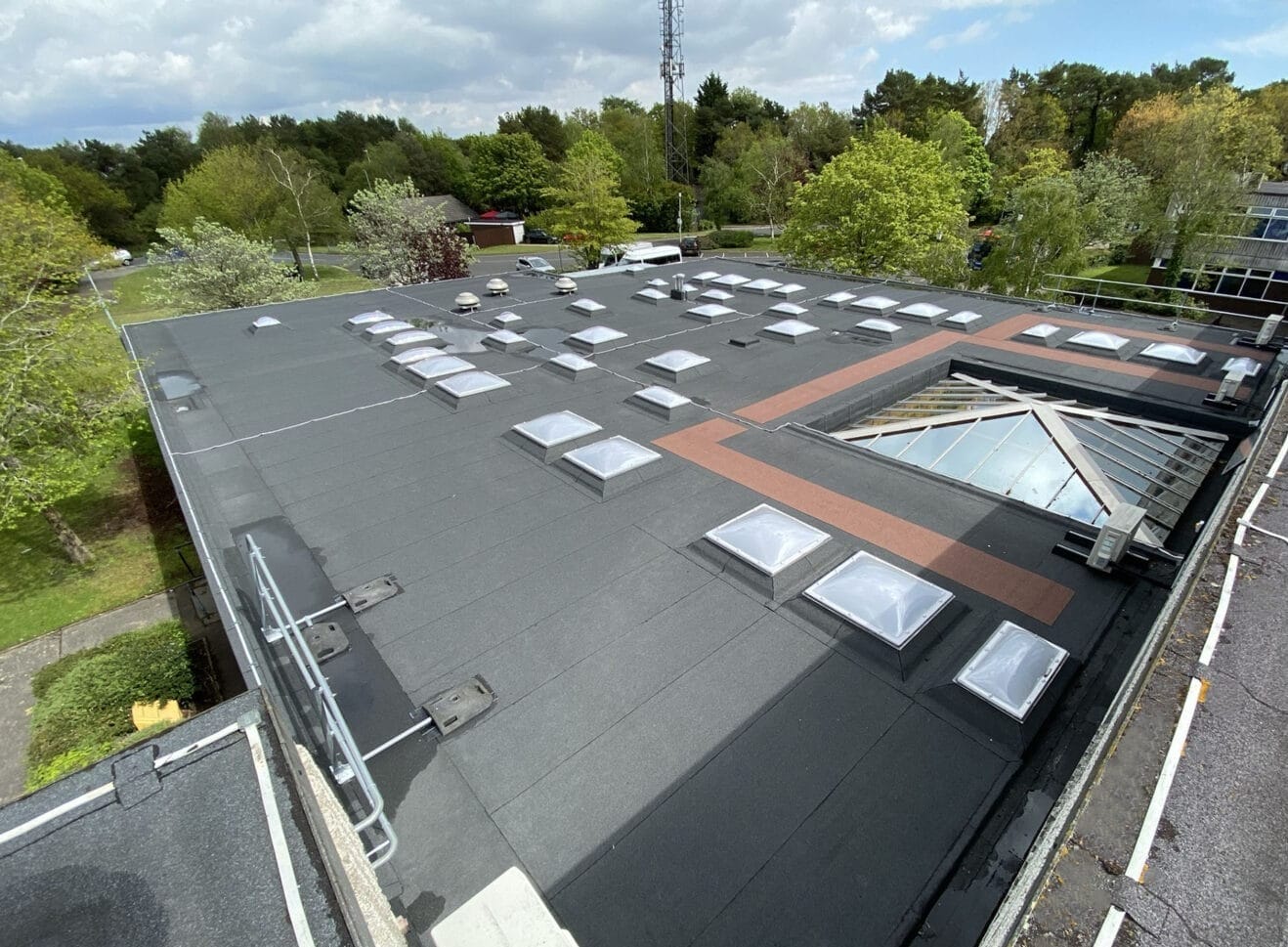
When it comes to commercial roofing and cladding projects, success doesn’t just depend on choosing the right materials, it also relies on ensuring they are installed correctly. Often projects come to us with a specified product and we have taken time and effort you build these relationships and ensure we are approved by the system manufacturer to install their materials and importantly achieve a compliant installation for your warranty to be issued.
Even the highest-quality roofing membrane, panel, or cladding system will underperform if it isn’t fitted by a qualified professional. That’s why asking whether your roofing contractor is an approved installer of the products they’re using is one of the most important questions you can raise before signing a contract.
Why Approved Installers Matter in Commercial Roofing
Manufacturers of leading roofing and cladding systems invest heavily in research, testing, and certification to meet performance and safety standards. To protect this investment and your building, they only allow trained, approved contractors to install their systems.
An approved installer has:
• Specialised training directly from the manufacturer.
• Knowledge of installation techniques that maximise system performance.
• Access to product support and technical guidance, before, during and after installation.
• Eligibility to offer manufacturer warranties that non-approved contractors cannot provide.
In short, when you use an approved installer, you’re not just buying materials; you’re investing in a fully backed system designed to perform for decades.
Risks of Using Non-Approved Installers
Choosing a contractor who isn’t approved for the products they are installing can lead to significant problems, including:
• Invalid warranties – Most manufacturers will void guarantees if their materials are not installed by an accredited professional.
• System failure – Poor installation increases the risk of water ingress, leaks, or thermal inefficiencies. Recourse can be very difficult.
• Higher maintenance costs – Incorrect detailing or fixing methods often lead to premature repairs or worst case, failures.
• Legal and compliance issues – In commercial settings, failure to meet building regulations or fire safety standards can have serious consequences.
These risks can turn a cost-saving shortcut into an expensive liability for building owners and asset managers.
Questions to Ask Your Contractor
Before appointing a roofing or cladding contractor, it’s worth carrying out due diligence. Key questions include:
1. Are you an approved installer for the specific system being used?
2. Can you provide evidence of certification or manufacturer training?
3. Will the project qualify for a full manufacturer’s warranty?
4. How do you stay updated on installation standards and product innovations?
5. Can you supply case studies of similar projects completed with the same materials?
A reputable contractor will be transparent and happy to share this information. If they hesitate or cannot provide proof, it’s a red flag!
Benefits for Commercial Projects
For commercial roofing and cladding, the stakes are even higher than in residential projects. Large surface areas, complex detailing often involving M&E or solar, and demanding performance requirements mean the margin for error is small. Working with approved installers ensures:
• Long-term reliability of the roofing or cladding system. Unsurprisingly, the reliability of any installation is at its best when fitted correctly.
• Energy efficiency through correct installation of insulation and vapour control layers. U-values are calculated on the assumption that the specified system is fitted properly, failure to do this may result in insufficient performance.
• Compliance with fire and safety standards, critical in commercial environments. These issues are a major priority even during design phases. Being able to evidence the compliance through installation is vital when looking for sign off.
• Stronger lifecycle value, reducing whole-life cost of ownership. Roofs are an investment and often budgeted over a defined period, by dividing the cost of replacement over the usable life in years. The longer this can be extended the more cost effective the investment becomes.
• Peace of mind for clients, developers, and facilities managers. In most cases the roof will be out of sight and out of mind with correct maintenance. In the event there are issues, the users can be content they have full coverage and recourse under proper warranties.
Partnering for Success
When investing in a new roof or cladding system, you’re making a decision that impacts the performance, safety, and value of your building for decades. Ensuring that your contractor is an approved installer is not a box-ticking exercise, it’s a critical factor in protecting your investment.
If you’re planning a commercial roofing or cladding project, make sure “Are you approved for this system?” is one of the first questions you ask. The right answer could save you significant time, money, and stress in the long run. Think of it this way…..if the roof is 25% cheaper at the time of install but lasts 50% of the life or the full price option, would accept those terms if you knew that before you started?
Key Takeaway: Always choose a manufacturer-approved installer for your roofing or cladding system. It safeguards warranties, guarantees performance, and ensures your project complies with industry standards.