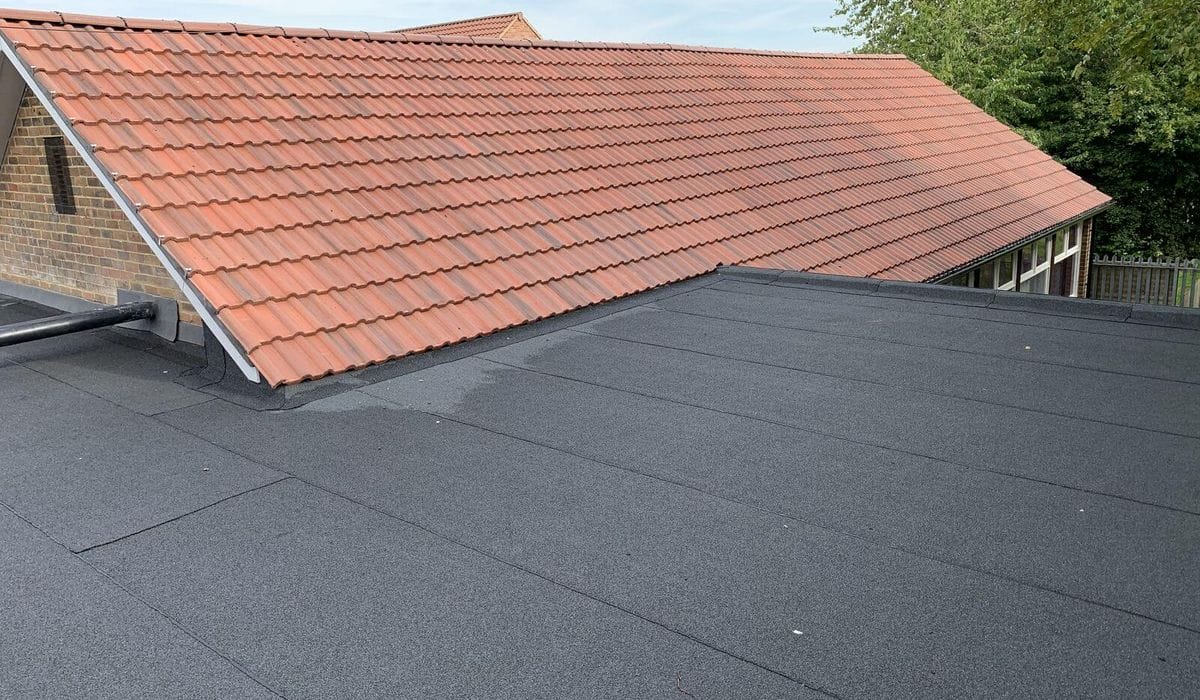
When it comes to designing or maintaining a commercial building or school, roofing is often one of the most critical considerations. Choosing between a flat roof and a pitched roof is more than just an architectural decision, it affects long-term maintenance, energy efficiency, cost, and overall functionality.
In this article, we explore the key differences between flat and pitched roofs, particularly in the context of commercial buildings and educational institutions, to help property managers, architects, and developers make informed decisions.
What is a Flat Roof?
A flat roof is not entirely flat but has a slight pitch (usually between 1-10 degrees) to allow for water drainage. Flat roofs are commonly seen on commercial properties, retail units, schools, and industrial buildings.
Advantages of Flat Roofs:
1. Cost-Effective Installation
Flat roofs are generally cheaper and faster to install due to less material usage and simpler construction techniques. For new builds on large commercial or school buildings, this can result in significant upfront savings.
2. Usable Space
Flat roofs offer additional functional space, ideal for solar panels, HVAC systems, green roofing, or even recreational use or balconies in schools, offices or apartment blocks.
3. Modern Aesthetic
For urban environments or contemporary architectural styles and dependant on the system used, flat roofs offer a sleek, modern look that aligns well with minimalist design principles.
Disadvantages of Flat Roofs:
1. Drainage Issues
Flat roofs are more prone to water pooling, especially during heavy rain. Without proper drainage systems, this can lead to leaks or structural damage.
2. Shorter Lifespan
While modern materials have improved durability, flat roofs typically have a shorter lifespan compared to pitched alternatives and may require more frequent maintenance.
3. Limited Insulation Options
Flat roofs offer less space for insulation, which can impact energy efficiency, particularly in colder climates.
What is a Pitched Roof?
A pitched roof has a noticeable slope (commonly more than 20 degrees) and is typically constructed using rafters or trusses. While more traditional, they are still used in some commercial settings and are common in schools, especially older or heritage buildings.
Advantages of Pitched Roofs:
1. Superior Water Drainage
The steep angle naturally directs water, snow, and debris away from the structure, reducing the risk of leaks or water damage.
2. Longer Lifespan
Pitched roofs, especially those with tile or slate coverings, can last 40–60 years or more with proper maintenance.
3. Better Insulation and Ventilation
The space under a pitched roof allows for enhanced insulation and better airflow, helping to regulate internal temperatures and potentially reduce energy bills.
Disadvantages of Pitched Roofs:
1. Higher Initial Cost
Pitched roofs generally require more materials and labour, which increases installation costs. This can be a barrier for budget-conscious projects, especially in public-sector schools.
2. Design Limitations
The slope may limit usable internal space or complicate rooftop access for maintenance of solar panels, air conditioning units, or other systems.
3. Heavier Structural Load
Pitched roofs add more weight to the building’s structure, which must be accounted for in the design and engineering phase.
Flat vs Pitched Roofs: What’s Best for Your Building?
The choice between flat and pitched roofs depends on a variety of factors including:
• Building size and design
• Climate and weather conditions
• Budget and long-term cost planning
• Maintenance capabilities
• Aesthetic or planning requirements
For urban commercial buildings, flat roofs are often preferred due to their cost efficiency and the ability to support rooftop equipment. In contrast, certain buildings, particularly those in colder or wetter climates, may benefit from pitched roofs due to their durability, superior drainage, and insulation.
Final Thoughts
There’s no one-size-fits-all solution when it comes to roofing. The decision between a flat and pitched roof should be made in consultation with architects, structural engineers, and facility managers, considering both short-term and long-term needs. In some instances, buildings will have both flat and pitched varieties on the same unit.
Whether you’re constructing a new school building, refurbishing an ageing commercial property or anything in between, understanding the strengths and trade-offs of each roofing type is crucial for sustainable, cost-effective, and functional design.
Let’s Connect!
If you’re planning a new project or considering roof refurbishment, we’d be happy to share insights or recommendations based on your goals.