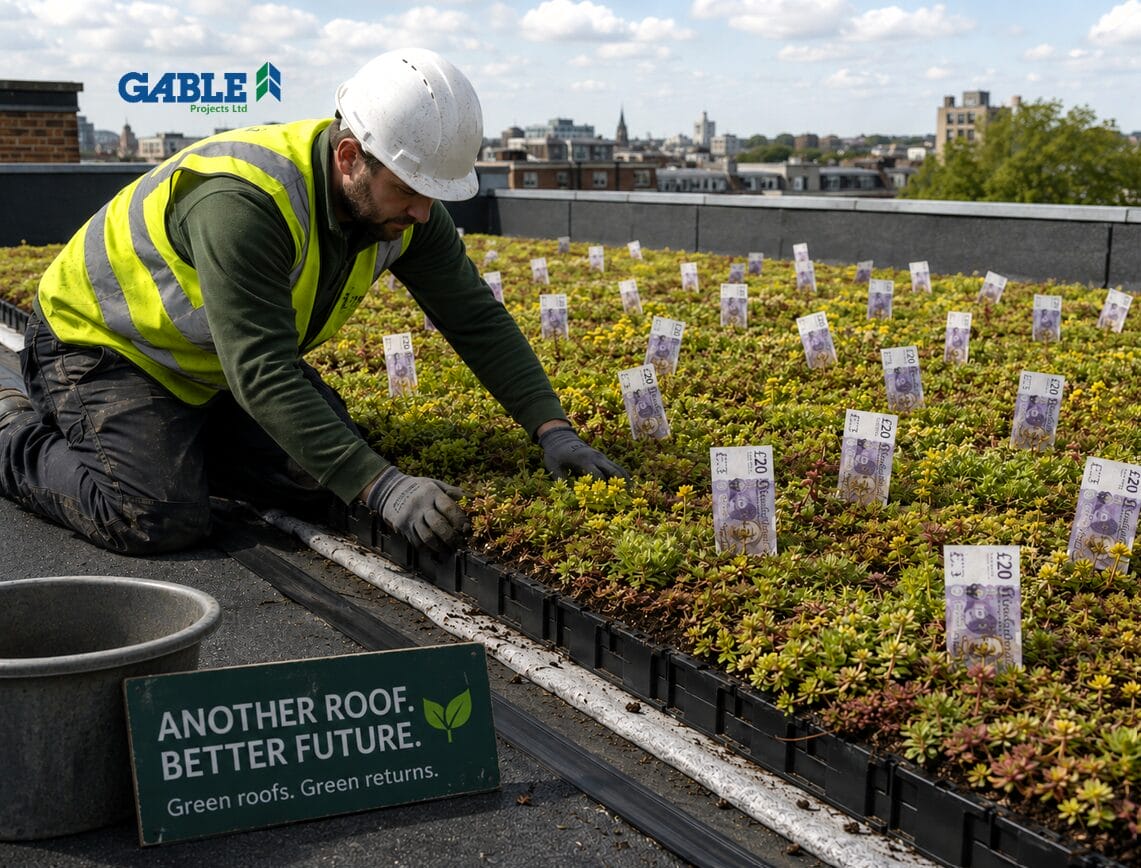
In today’s construction industry, sustainability is no longer a niche consideration. Across the UK commercial roofing and cladding sector, building owners, developers, and facilities managers are increasingly prioritising environmentally responsible solutions when replacing ageing roofs. From solar-ready systems and recycled materials to improved insulation and low-carbon products, the demand for green roofing options continues to grow.
However, while sustainability goals are often high on the agenda during the planning stages of a commercial roof replacement project, reality can look very different once budgets are reviewed. Rising material costs, inflation, supply chain pressures, and wider economic uncertainty are forcing many clients to make difficult decisions. In many cases, the ideal green roofing specification is scaled back in favour of more traditional and cost-effective roofing systems.
This balance between sustainability and affordability is becoming one of the defining challenges within commercial roofing and cladding.
The Growing Demand for Sustainable Commercial Roofing
Green roofing solutions are increasingly seen as the future of commercial construction. Businesses are under pressure from investors, customers, and environmental regulations to reduce their carbon footprint and improve the energy efficiency of their buildings.
Modern commercial roofing systems can contribute significantly towards these goals. Popular sustainable roofing and cladding options include:
• High-performance insulated cladding systems
• Recycled or recyclable roofing materials
• Green roofs and living roof systems
• Solar-compatible roofing systems
• Roof coatings that improve thermal performance
• Sustainable rainwater management systems
• Low-carbon manufacturing materials
These systems offer clear long-term benefits. Improved thermal efficiency can lower energy bills, while modern roofing materials often provide greater durability and reduced maintenance costs. Sustainable commercial roofing can also help businesses achieve environmental certifications such as BREEAM and improve overall ESG performance.
For many organisations, choosing an environmentally friendly roof replacement aligns with broader corporate sustainability targets.
Why Cost Is Becoming a Major Obstacle
Despite the clear advantages of sustainable roofing systems, cost remains one of the biggest barriers to adoption.
Commercial roof replacement projects are significant capital investments. When clients receive quotations that compare standard roofing systems against more advanced sustainable alternatives, the price difference can be substantial.
Several factors are driving this challenge:
Rising Material Costs
The cost of insulation, steel, membranes, and specialist roofing products has increased dramatically in recent years. Sustainable materials often come with higher manufacturing and transportation costs, making them less accessible for budget-conscious projects.
Economic Uncertainty
Many businesses are operating cautiously due to inflation, reduced margins, and uncertainty within the wider economy. Facilities and maintenance budgets are being scrutinised more closely than ever.
Immediate ROI Expectations
While green roofing systems often deliver savings over time through energy efficiency and reduced maintenance, some clients focus heavily on upfront installation costs rather than long-term return on investment.
Large Roof Areas Mean Large Costs
In commercial and industrial roofing, even small increases in cost per square metre can create major budget increases across large roof spaces. This is especially true for warehouses, factories, schools and leisure facilities. As a practical example, a standard insulated commercial felt roof may typically be budgeted in the low hundreds of pounds per square metre, with green and blue roof systems increasing significantly beyond this depending on specification and complexity, drainage design and performance requirements.
As a result, many clients who initially favour sustainable roofing solutions ultimately revert to more basic specifications.
The Return to Traditional Roofing Systems
Traditional roofing and cladding systems continue to dominate many commercial roof replacement projects because they remain reliable, readily available, and cost effective.
Systems such as:
• Built-up felt and metal roofing
• Standard composite cladding panels
• Single-ply membrane and liquid roofing
• Over-sheeting systems
• Fibre cement roof replacements
All still provide practical and durable solutions for many commercial buildings.
Although these options may not offer the same environmental performance as premium green alternatives, they often meet immediate operational needs while staying within budget constraints.
For facilities managers and property owners, this can become a practical compromise. A roof that is watertight, compliant, and financially achievable today may take priority over a higher-performing sustainable option that stretches capital expenditure too far.
Finding the Right Balance Between Sustainability and Budget
The reality within commercial roofing and cladding is that every project is different. While sustainability remains the preferred direction for the industry, roofing contractors and clients must work together to find practical solutions that balance environmental goals with financial realities.
In some cases, hybrid approaches are becoming more common. Clients may choose:
• Enhanced insulation while retaining standard roofing finishes
• Roofing systems designed for future solar installation
• Partial roof upgrades completed in phases
• Cost-effective systems with improved recyclability
• Refurbishment options rather than full replacement
This allows businesses to improve building performance without committing to the highest-cost specifications immediately.
Experienced commercial roofing contractors play an important role in guiding clients through these decisions. By understanding both operational requirements and budget limitations, contractors can recommend systems that deliver the best possible long-term value.
The Future of Commercial Roofing and Cladding
There is little doubt that sustainable roofing solutions will continue to shape the future of the commercial roofing and cladding industry. Government legislation, energy efficiency standards, and corporate sustainability commitments are all pushing the market in a greener direction.
However, the industry must also acknowledge the financial pressures facing commercial property owners. Until green roofing technologies become more affordable at scale, cost will continue to influence specification decisions.
For now, the reality is clear: most clients would prefer a sustainable roof replacement solution, but budget constraints can often force a return to more traditional and cost-effective roofing systems.
The key for the industry moving forward will be finding smarter, more commercially viable ways to bridge the gap between sustainability ambitions and financial practicality.
By combining innovation, practical design, and realistic budgeting, commercial roofing and cladding specialists can help clients make informed decisions that support both business performance and long-term environmental responsibility.