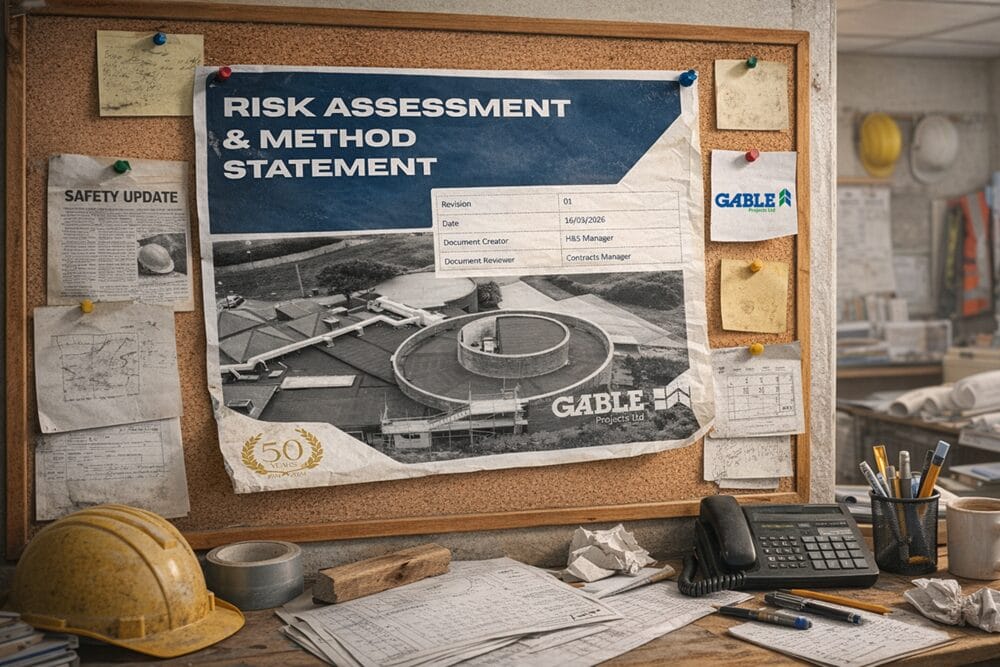
In commercial roofing and cladding, safety isn’t just a box to tick, it’s the foundation of every successful project. One of the most important tools contractors rely on to manage risk is RAMS (Risk Assessments and Method Statements). Yet across the industry, there’s an uncomfortable question many companies avoid asking:
Are RAMS actually being followed on site, or are they just paperwork for compliance?
For commercial roofing and cladding contractors working at height, handling heavy materials, and operating in dynamic construction environments, well-prepared RAMS are essential. But their true value only emerges when they are understood, implemented, and continuously reviewed throughout the project.
What Are RAMS and Why Do They Matter?
RAMS combine two critical documents:
• Risk Assessments – identifying potential hazards and evaluating the likelihood and severity of harm.
• Method Statements – detailing the safe system of work required to complete the task.
For roofing and cladding contractors, RAMS typically cover activities such as:
• Working at height
• Asbestos awareness
• Hot works
• Edge protection systems
• Crane lifting operations
• Installation of roof panels or cladding systems
• Weather-related risks
• Manual handling and material storage
When prepared correctly, RAMS provide a clear, structured approach to carrying out work safely, helping both site teams and management understand exactly how tasks should be completed.
More importantly, they demonstrate compliance with UK health and safety regulations and protect businesses, workers, and clients from preventable incidents.
The Problem: RAMS Often Become “Paper Exercises”
Despite their importance, RAMS frequently become a tick-box exercise on construction projects.
Many contractors will recognise the scenario:
• RAMS are written in the office
• They are submitted to the principal contractor
• Workers sign them during a site induction
• The documents are filed away
And then they’re rarely referenced again.
When RAMS exist purely for approval rather than practical use, they lose their purpose. Site teams may revert to old habits, shortcuts may creep in, and new risks introduced during the project may not be addressed. For roofing and cladding project, where conditions can change rapidly due to weather, structural progress, or logistics, this approach creates unnecessary exposure to risk.
RAMS Should Be Actively Used on Site
A well-written RAMS document should be a live operational guide, not just a submission document.
To achieve this, contractors should ensure RAMS are:
1. Communicated Clearly
Workers should fully understand the method statement before work begins. Toolbox talks and task briefings are essential to ensure everyone knows:
• The sequence of work
• Control measures
• Emergency procedures
• Site-specific risks
If operatives don’t understand the document, it’s unlikely to be followed.
2. Relevant to the Actual Work
Generic RAMS copied from previous projects are a common issue in construction. However, every commercial roofing or cladding project presents unique challenges, including:
• Building height and structure
• Access and scaffolding arrangements
• Weather exposure
• Material delivery logistics
• Interaction with other trades
RAMS should always be project-specific to reflect real site conditions.
Why RAMS Should Be Reviewed Throughout the Project
One of the most overlooked aspects of RAMS management is ongoing review.
Construction sites evolve constantly. For roofing and cladding contractors, changes may include:
• Altered access routes
• New lifting arrangements
• Changes to sequencing
• Different materials or systems
• Weather conditions impacting work at height
If RAMS remain unchanged while the site evolves, they quickly become outdated.
Best practice is to review RAMS whenever there is a significant change in work activities or conditions. This ensures risk controls remain effective and relevant.
Regular reviews also demonstrate strong safety management during audits or inspections.
The Business Benefits of Strong RAMS
While RAMS are primarily a safety tool, they also deliver wider commercial benefits for contractors.
Companies that actively use and review RAMS often see improvements in:
• Project efficiency – clear methods reduce confusion and delays
• Workforce confidence – teams feel safer and more supported
• Client trust – professional safety documentation builds credibility
• Regulatory compliance – reducing legal and financial risks
For roofing and cladding contractors competing in a demanding market, robust RAMS management can even become a competitive advantage when bidding for projects.
Turning RAMS into a Real Safety Tool
To get the most value from RAMS, contractors should treat them as living documents that guide daily work, not static paperwork. This means:
• Writing clear, practical RAMS
• Communicating them effectively to site teams
• Monitoring whether they are being followed
• Updating them as site conditions change
When used correctly, RAMS become far more than compliance documentation—they become an essential part of delivering safe, efficient, and professional roofing and cladding projects.