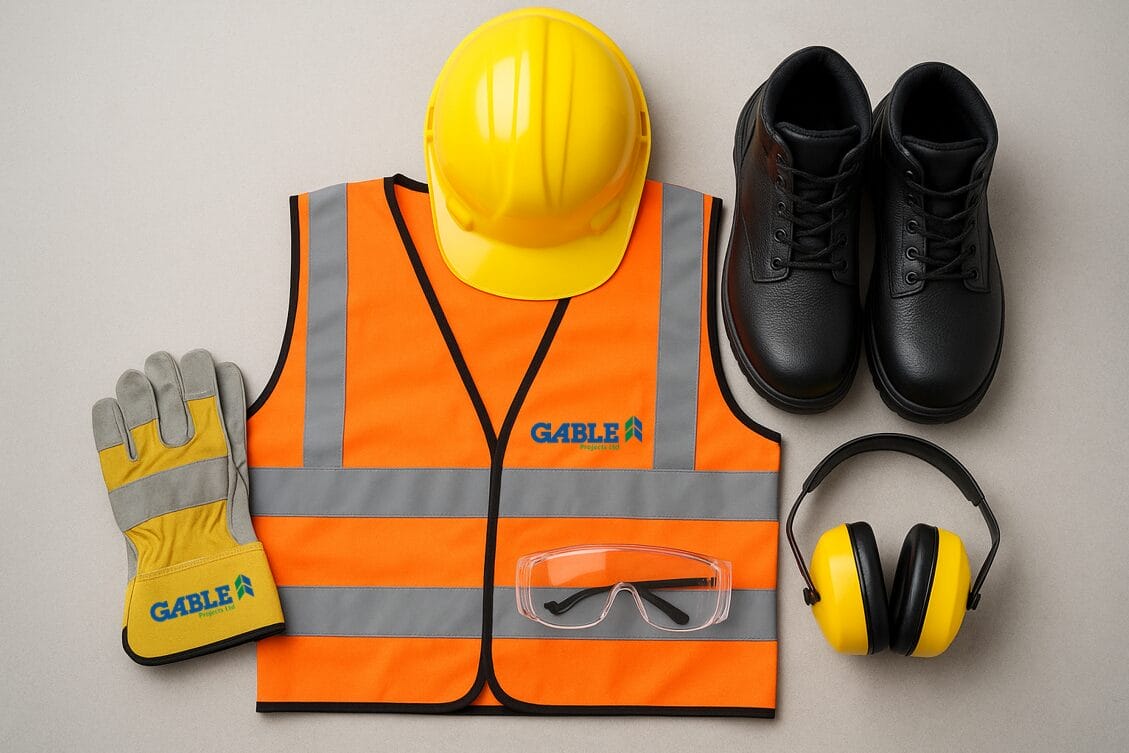
In the fast-paced world of UK commercial roofing, safety isn’t optional, it’s the foundation of every successful project. Roofers face a mix of hazards daily: working at height, exposure to loud tools, falling debris, sharp materials, and unpredictable weather. That’s why using the correct Personal Protective Equipment (PPE) is vital for protecting teams and ensuring every job runs smoothly and safely.
Below are the seven main types of PPE used in commercial roofing across the UK and why each one plays a critical role.
1. Safety Helmets – Essential Head Protection
A safety helmet or hard hat is the first and most visible piece of PPE on any roofing site. Falling tools, slips, or even low-clearance beams pose serious head-injury risks. Helmets meeting EN 397 standards should fit snugly often with adjustable chin straps to stay secure while working at height.
Modern roofing helmets are lightweight, ventilated, and compatible with ear defenders and visors. They protect against impact and penetration while helping roofers maintain focus and confidence at work.
2. Safety Footwear – Stability and Grip in All Conditions
Roofers face slick, uneven, and sloping surfaces daily. Safety boots built to EN ISO 20345 standards offer steel or composite toe caps, puncture-resistant soles, and superior slip resistance.
Well-designed roofing footwear improves traction on wet or dusty materials, supports ankles, and reduces fatigue. Reliable boots don’t just prevent accidents, they can enhance comfort and productivity during long hours on the roof.
3. Gloves – Protecting the Hands That Build
From sharp metal edges to hot bitumen, roofers’ hands encounter constant hazards. Protective gloves are essential to avoid cuts, burns, and abrasions.
Different tasks demand different gloves: cut-resistant for sheet-metal work, heat-resistant for torch-on membranes, and insulated gloves for winter projects. Gloves conforming to EN 388 standards allow workers to maintain grip and precision while staying safe.
4. Eye and Face Protection – Shielding Against Debris and Dust
Grinding, cutting, and drilling send particles flying, a serious risk to eyesight. Safety goggles or visors, compliant with EN 166, protect against dust, splashes, and airborne debris.
For chemical adhesives or solvent-based materials, sealed goggles are best. Clear vision not only prevents accidents but also boosts accuracy and confidence, making eye protection indispensable in every roofing kit.
5. Ear Protection – Reducing Noise Exposure
Commercial roofing often involves power tools, cutting machinery, and mechanical plant, all of which generate dangerous noise levels. Prolonged exposure can cause permanent hearing damage.
Ear defenders or earplugs, compliant with EN 352, reduce sound exposure while maintaining communication on site. Modern solutions, such as helmet-mounted ear defenders or electronic models that allow speech through low-noise filtering, help roofers stay aware of their surroundings without compromising safety.
Regular use of hearing protection protects not just health but also long-term wellbeing and employability, a key factor often overlooked in roofing safety planning.
6. High-Visibility Clothing – Be Seen, Stay Safe
Visibility can mean the difference between safety and serious injury. High-visibility vests, jackets, and trousers certified to EN ISO 20471 ensure roofers remain visible to colleagues, crane operators, and delivery drivers, even in poor light.
Hi-vis PPE made from weather-resistant fabrics keeps teams visible, warm, and dry, essential for year-round commercial projects where site traffic is heavy.
Other Considerations and Honourable Mentions…
Fall Protection Systems – The Ultimate Lifesaver
When it comes to working at height, fall protection isn’t negotiable. Harnesses, lanyards, and anchor points, compliant with EN 361 and EN 358, form a system designed to prevent or minimise injuries from a fall.
A properly fitted full-body harness distributes force evenly, while adjustable lanyards secure safely to anchor points. Regular inspection and record-keeping are just as vital as using the equipment itself. With compliance to the Work at Height Regulations 2005, fall-protection systems remain the cornerstone of roofing safety.
Respiratory Protection – Breathing Safely on the Job
Commercial roofing environments often produce harmful airborne contaminants, especially when cutting insulation boards, stripping old roofing systems, or working with adhesives. Inhaling dust, fibres, or fumes can lead to long-term respiratory illness, and we are regularly dealing with asbestos containing materials.
Respirators such as:
• FFP2 or FFP3 disposable masks — ideal for dust and particles
• Half-mask respirators with filters — for chemical fumes and solvents
• Powered air-purifying respirators (PAPR) — for high exposure environments
must meet EN 149 or EN 140 standards depending on the model. Correct fit testing and filter replacement schedules are essential for effective protection.
Clean air = clear thinking, better performance, and long-term health.
Final Thoughts: Safety Is the Roof Over Every Project
Each piece of PPE for UK commercial roofing plays a vital role in preventing injury and maintaining compliance with UK Health and Safety Executive (HSE) regulations. But PPE is only effective when it’s:
• Correctly fitted and used every day
• Regularly inspected and replaced when damaged
• Supported by strong safety training and culture
By investing in high-quality PPE and promoting consistent use, roofing companies protect their most valuable asset, their people. The result? Fewer accidents, better morale, and a reputation for reliability that clients trust.
In commercial roofing, safety isn’t just a requirement, it’s a reflection of professionalism.