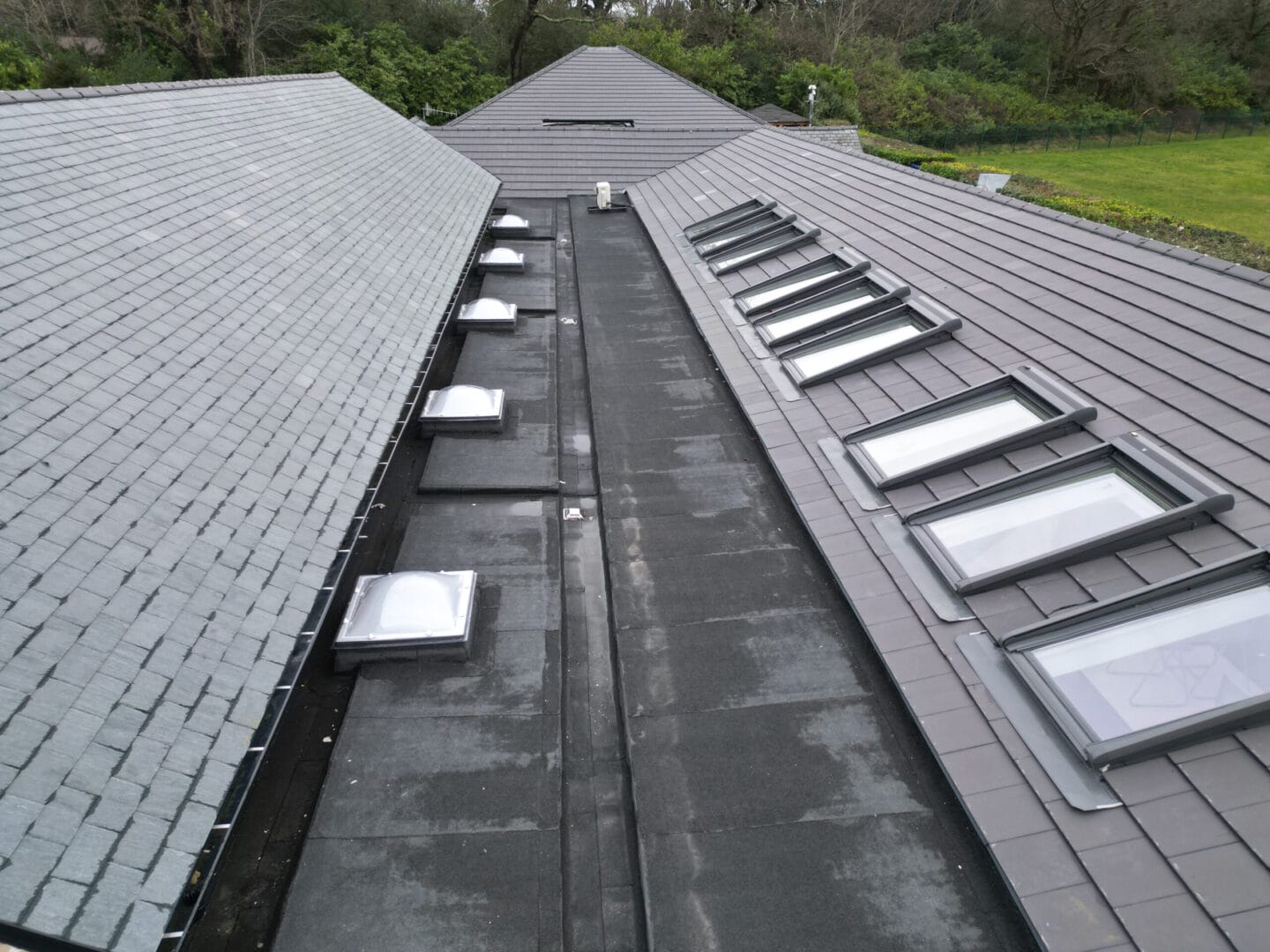
The roof is one of the most crucial components of any commercial building. It protects the structure from the elements, maintains energy efficiency, and ensures the safety of everyone inside. However, even the best roofing systems don’t last forever. Over time, wear and tear can lead to issues that go beyond repair, making roof replacement not just a choice but a necessity. Recognising the early signs that your commercial roof needs replacing can save you money, prevent operational disruptions, and protect your investment.
Here are five key signs that it may be time to replace your commercial roof:
1. Persistent Leaks and Water Damage
Water infiltration is one of the most obvious and dangerous signs that your commercial roof may need to be replaced. While isolated leaks can often be repaired, frequent or widespread leaks indicate a larger problem. Over time, moisture can seep into the insulation, decking, and even the interior of your building, leading to mould growth, structural damage, and ruined equipment or inventory.
Look for signs like:
• Water stains on ceilings or walls
• Peeling paint or bubbling surfaces
• Visible water pooling on the roof
• Damp or musty smells inside the building
If leaks continue despite regular maintenance and repairs, it’s likely that the roof’s waterproofing capabilities have failed and a replacement is the most cost-effective long-term solution.
2. Age of the Roof
Every roofing system has a lifespan. The exact duration depends on the materials used, environmental conditions, location, and how well the roof has been maintained. For example:
• TPO and EPDM (single ply) roofs: 20–30 years
• Modified bitumen: 20–25 years
• Built-up roofing (BUR): 20–30 years
• Metal roofs: 30–45 years
If your roof is nearing or past its expected lifespan, even minor issues may be signs of deeper problems. An aging roof becomes more susceptible to cracking, shrinkage, and weather-related damage, and repairs may become less effective or more frequent and costly over time.
Proactively replacing an aging roof can prevent more costly damage and reduce the risk of unexpected failures.
3. Blistering, Cracking, or Bubbling
These surface imperfections are often more than cosmetic, they signal underlying issues that may require a full replacement. Blisters often form when moisture or air gets trapped between layers of roofing materials, which can happen when seams fail or insulation becomes saturated.
Cracking and bubbling are also warning signs that the materials are deteriorating or reacting poorly to temperature fluctuations and weather exposure. If the surface damage is extensive, patching these issues may no longer be viable, and a full roof replacement might be the best solution.
4. Rising Energy Bills
A well-installed commercial roof contributes significantly to your building’s insulation and energy efficiency. If you notice a steady increase in heating or cooling costs, your roof could be to blame. Damaged membranes, deteriorating insulation, or even small punctures can reduce the roof’s ability to regulate temperature effectively.
A modern roofing system, especially one that incorporates energy-efficient materials or reflective coatings, can drastically reduce energy consumption. If your energy bills are rising without a clear reason, consider having a professional inspect your roof to assess whether replacement is needed. Read more about this plus other issues on our previous article, The True Cost of Delaying Roof Repairs for Commercial Buildings
5. Sagging or Structural Deformation
A sagging roof is often a serious structural red flag. It can indicate water build-up, compromised decking, or a failure in the roof’s support system. Sagging may be visible from inside the building or noticeable as depressions on the roof’s surface.
Left unaddressed, this issue can lead to partial or full roof collapse, posing safety risks and leading to major disruptions in business operations. If sagging is present, immediate professional evaluation is crucial and replacement is often the safest and most practical course of action.
Conclusion
A failing commercial roof, whether the covering or structurally, can lead to serious financial and operational consequences. While regular inspections and timely repairs are essential, knowing when to stop patching and start planning for a full replacement is just as important. If your roof exhibits any of the signs listed above, it’s wise to consult with a professional roofing contractor. They can perform a comprehensive inspection and help you determine the most cost-effective path forward.
Replacing a commercial roof may seem like a daunting investment, but it ultimately protects your building, reduces future repair costs, and enhances energy efficiency for years to come.